The fungal threat to human health is growing in a warmer, wetter, sicker world
















In the HBO show “The Last of Us,” characters identify zombies among them by the fungi that bursts from their bodies, and fungal parasites manipulate the humans to infect the communities around them.
In real life, the fungal species that inspired the story, Ophiocordyceps, infects insects and does not cause problems for people. HBO, like CNN, is a unit of Warner Bros. Discovery.
However, the threat from fungal pathogens is increasing, experts say, and may grow much worse in a warmer, wetter and sicker world.

“We’re always surrounded by fungal spores. We’ve lived with them ever since we made beds in the Savanna 500,000 years ago, before we even evolved into modern humans. And we’ve had to adapt this exquisite immune system that we have to defend against spores, because many of them are potentially pathogenic,” said Dr. Matthew Fisher, a professor of medicine in the School of Public Health at Imperial College London whose research focuses on emerging pathogenic fungi.
“Fungi are just seeking sources of food, and in the eyes of many saprotropic fungi, we are just food,” he added. (Saprotrophic describes an organism that feeds on dead organic matter.)
Many millions of fungi are good for the environment, but a few hundred can cause disease in humans.
Millions of infections each year
Scientists are finding new fungi all the time – they found four just last year – but not all of them are a threat to humans.
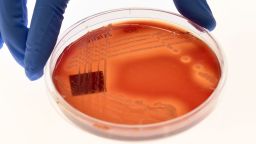
Of the 4 million or so diverse fungal species, scientists have identified only 300 as human pathogens that can cause disease.
In any given year, more than a billion people have what the Microbiology Society considers “superficial” fungal infections.
Athlete’s foot, a scaly rash that can cause itching or stinging; thrush, white lesions that develop on the tongue or inner cheek; and even dandruff are largely caused by one of these superficial fungal infections. They are irritating, but fortunately, treatments still work on them.
Some infections can be much more serious, even life-threatening.

Globally, about 1.5 million people die from them each year, with few working treatments available, if any, according to the Microbiology Society.
Last year, the World Health Organization said that it considers fungal pathogens a “major threat” to public health and, for the first time, released its prioritized list of the 19 kinds the world should watch out for.
One of the four on WHO’s list of the most critical species is cryptococcus neoformans, a pathogenic yeast that lives in the soil. People can inhale fungal cells, and most don’t get sick. But in those with a suppressed immune system, it can affect the lungs and spread to the nervous system and blood. Over the years, this fungus has become resistant to some treatments.
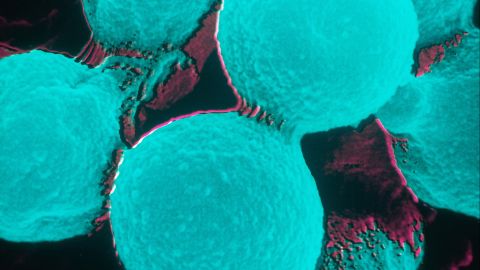
Another is Candida auris, a yeast that can linger on surfaces and medical equipment and can spread quickly from one person to another. It has caused a growing number of hospital outbreaks around the world, a threat that grew larger still during the Covid-19 pandemic. The CDC says that may in part be due to changes in routine infection-control practices. Infection can affect the heart, central nervous system, eyes, bones and internal organs. It is resistant to many classes of antifungal treatments but can sometimes be treated with antifungal medicines called echinocandins.

Apergillus fumigatus, a mold that can be found just about everywhere, may cause pulmonary disease in people with weakened immune systems. It could also cause allergic reactions or lung infections that might become serious and move to other organs. It has showed growing antifungal resistance, WHO says, thanks to widespread use of azole fungicides to prevent its spread in crops.
The fourth pathogen, Candida albicans, is another yeast that typically is a part of a healthy human microbiome. It lives in the mouth, intestines and skin. Bacteria in your body keep it in check, but if the system is off-balance, the yeast will overgrow and turn into a vaginal yeast infection, diaper rash, thrush or another condition. It can also become a severe infection that targets the blood, heart, central nervous system, eyes, bones and internal organs.
There are no vaccines for any of the four fungal infections on the critical list.
Who’s at highest risk
Fisher said our bodies are generally pretty good at protecting against fungal infections, but “chinks open up in our immune system.”

“Then we can have fatal consequences,” he said.
People who are most at risk of a serious fungal infection are those with underlying conditions like HIV, cancer or diabetes and those with compromised immune systems because of their age, a disease or the drugs they take.
Others are vulnerable to the more severe consequences of fungal infections because they don’t have access to medicines more commonly available in the West. For instance, cryptococcal meningitis is a leading cause of death for people living with HIV in sub-Saharan Africa because they don’t have access to treatments, studies have found.
Why fungal threats are growing
The number of serious fungal infections has increased partly because of the growing number of immune-suppressed people, studies show.
“What’s changing is that more people that are exposed have those high risk factors. We have aging populations, and we were using a lot of chemicals in the environment which are forcing fungi to adapt, and our clinical antifungals are being degraded by antimicrobial resistance,” Fisher said.

There have also been more opportunistic fungal infections during the Covid-19 pandemic, just like there have been after flu epidemics, said Dr. Matthew Kasson, a mycologist at West Virginia University.
“Viruses have this way of suppressing the immune response, and some of the drugs we’re using to combat the viruses are also having an effect where they’re making it easier for fungi to invade,” he said.
A black fungus killed thousands of people in India in 2021, and 85% of them were Covid-19 patients.
Fisher said some fungi also seem to “appear out of nowhere” and “are quite quietly spreading around the world, causing silent pandemics,” such as Candida auris.
Additionally, the climate crisis has exacerbated the spread of fungal infections.
“The world is becoming warmer and wetter. That’s just going to mean that there’s a higher burden of mold spores,” Fisher said.
What needs to be done
WHO encourages countries to improve their diagnostic capacity for fungal infections and to increase surveillance. It also recommends more money put into research, medicine and tests for these infections. Currently, fungal infections receive less than 1.5% of all infectious disease research funding, WHO said.

It’s difficult to develop antifungal treatments because, in the words of Dr. Matt Nelsen, a researcher from Chicago’s Field Museum, “animals and fungi are each other’s closest relatives.”
“We share a lot of biochemical similarities, and so when we are trying to kill off the fungus, we need to be careful that we’re not also killing ourselves,” he said.
One of the best defenses against fungal infections is to keep your immune system strong.
Fisher advises parents to let children play outside a lot so they will get exposed to a good range of fungi to help develop a healthy immune system. Homes should also be well-ventilated and moisture-free.
Get CNN Health's weekly newsletter
Sign up here to get The Results Are In with Dr. Sanjay Gupta every Tuesday from the CNN Health team.
Kasson said he thinks the attention from “The Last of Us” and other programs means “fungi are having a moment,” yet he hopes it is not going to be overblown.
When the movie “Jaws” came out, it led to an increase in shark hunting. In fact, sharks were almost hunted to extinction.
Millions of fungi are good, Kasson points out. They break down wood, and they can be used in food and in human medicine.
“Fungal infections, yes, are a serious concern, and I think it’s going to get worse unless we start to really appreciate those connections between how we manage crops, how we manage human disease, how we manage wildlife disease. They’re all interconnected,” he said. “The sooner we realize that, I think, the sooner we can come up with solutions that help all involved.”
No comments:
Post a Comment