


Scientists Studied the Genes of a Woman Who Lived 117 Years. Here’s What They Learned
Maria Branyas Morera, formerly the world’s oldest person, allowed researchers to take a detailed look at her biology before she died last year
/https://tf-cmsv2-smithsonianmag-media.s3.amazonaws.com/accounts/headshot/Sara_-_Headshot_thumbnail.png)
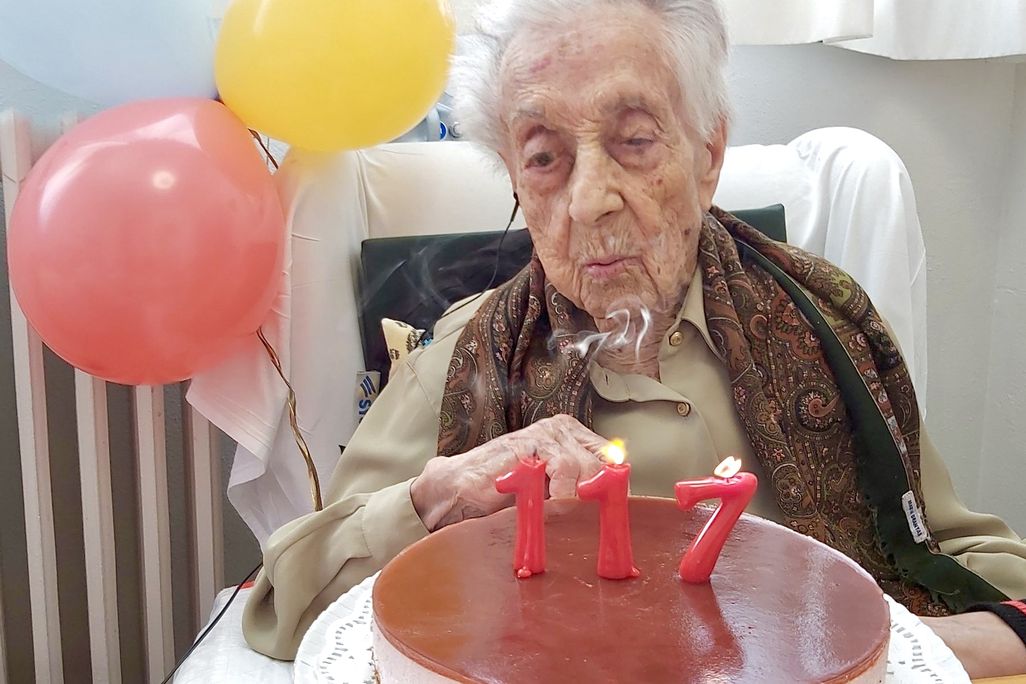
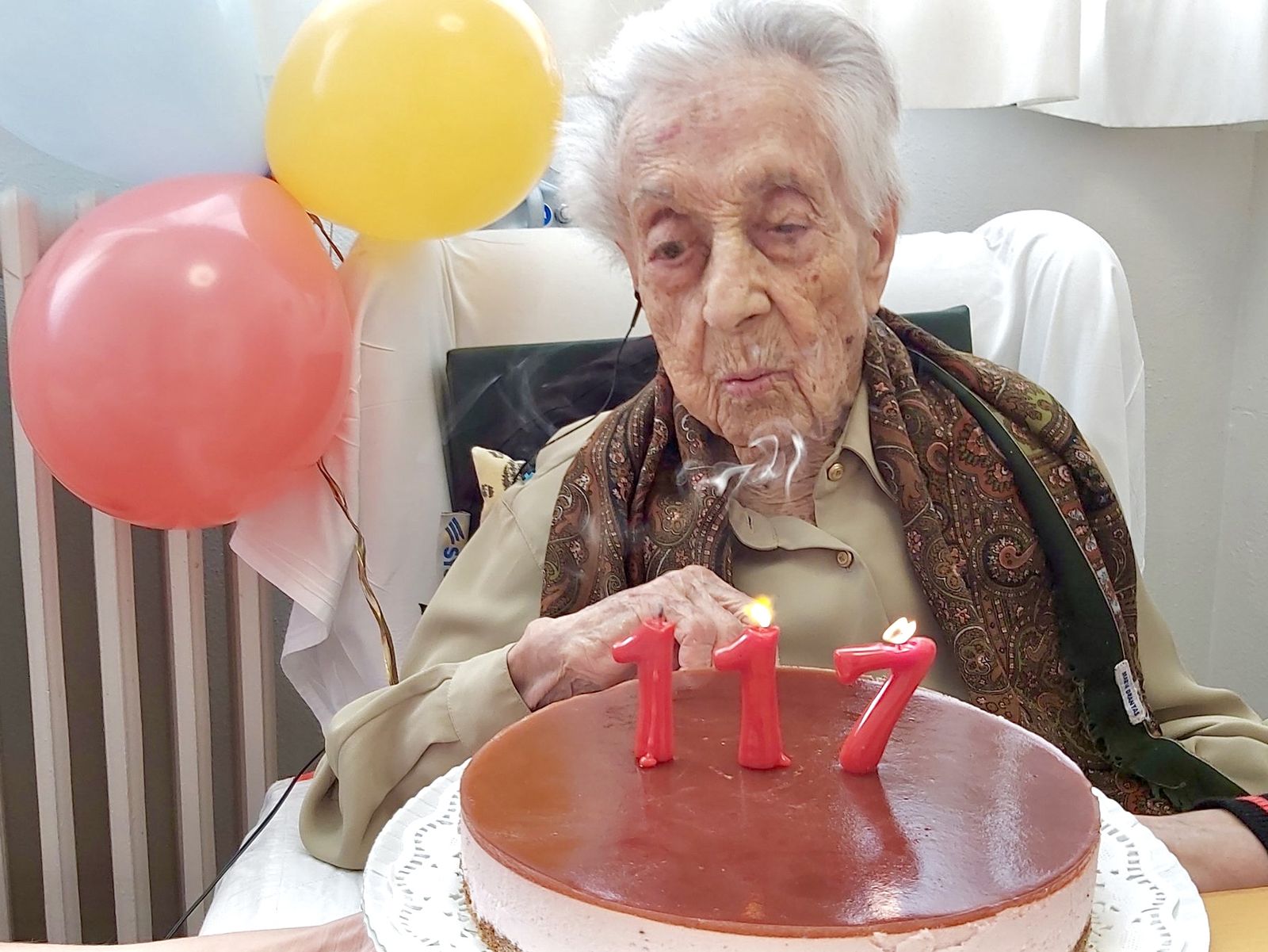
Maria Branyas Morera was the world’s oldest person when she died at 117 last year. Now, scientists have searched within her genes for the answers to her long life.
Before she died, Branyas allowed doctors to collect samples of her blood, saliva, urine and stool to shed light on her biology and what had allowed her to live for so long. “We wanted to learn from her particular case to benefit other people,” says Manel Esteller, a physician at the University of Barcelona who led the work, to Mariana Lenharo at Nature.
Esteller and his colleagues compared Branyas’ profile with that of other Iberian women. (The supercentenarian was born to a Spanish family in the United States and spent most of her life in Spain.) The findings, which were published in the journal Cell Reports Medicine on September 24, point to a combination of genetic luck and lifestyle choices. Branyas did not smoke or drink, she exercised regularly, and she had an active social life. This all certainly helped, Esteller tells Ian Sample at the Guardian.
Did you know? Who was the oldest person to ever live?
Jeanne Louise Calment of France holds the record for the oldest verified person. Born on February 21, 1875, she lived until August 4, 1997, making her 122 years old.
At the same time, she had variants in her genes that are associated with longevity and that protect against dementia, heart disease, diabetes and other illnesses. “She had cells that seemed younger than her age,” adds Esteller to Gina Kolata at the New York Times.
Her gut microbiome was also like that of a younger person, the study found. She had lots of Bifidobacterium, beneficial bacteria that probably got a boost from the three servings of yogurt she reportedly ate every day. Those microbes likely also protected her against inflammation.
“It shows that maybe a dietary intervention can be associated not only with avoiding obesity and other pathologies, but also with prolonged life, acting through the microbiome gut landscape,” Esteller explains to James Woodford at New Scientist.
Still, eating three yogurts a day will not necessarily make for a long life. Other researchers caution that the results of a study of one person can’t be extrapolated to entire populations. Richard Faragher, a biogerontologist at the University of Brighton in England, tells New Scientist that to prove Branyas’ long life wasn’t just the result of luck, the researchers would have had to show that other members of her family also had long lives.
Mary Armanios, an oncologist and geneticist at Johns Hopkins School of Medicine, is also skeptical, reports the New York Times. “The genetics of longevity are notoriously confusing,” she says to the outlet. It’s hard to predict how long someone will live—when researchers looked for variants linked to a long life, they compared the genes of centenarians with those of younger people. But there’s no way to know how long those younger people will live.
She also points out that other factors, like socioeconomics, can affect how long someone lives, even if they have a good genetic profile. “I do think there are obviously bad genetics that limit life span,” she adds. “But I am not sure good genetics are sufficient to overcome socioeconomic limitations.”
Esteller, for his part, hopes to use the information gleaned from the study to develop medications that can help older people stay healthy. “We can develop drugs to reproduce the effects of good genes,” he explains to the Guardian. “Maria’s parents gave her very good genes, but we cannot choose our parents.”


No comments:
Post a Comment