The Treasury of Lives

Nālendra, a monastery located north of Lhasa in Penyul, was founded in 1436 by Rongton Sheja Kunrik, who was born into a Bon family and studied at Kadam monasteries. The monastery was absorbed into the Sakya tradition and Rongton came to be considered one of the six jewels of the Sakya tradition. There are extensive ruins at the site, along with a renovated assembly hall containing murals. Khenpo Tsultrim Gyelsten is credited with initiating the renovation of the site.
Sources
Akester, Matthew. 2016. Jamyang Khyentse Wangpo's Guide to Central Tibet. Chicago, IL: Serindia Publications, pp. 56-61.
Gyurme Dorje. 2009. Tibet Handbook. Bath: Footprint, pp. 174-175.
Jackson, David. 2019. "History of Nālendra Monastery: Sources and Some Recent Findings." In Unearthing Himalayan Treasures: Festschrift for Franz-Karl Ehrhard, pp. 235-258. Marburg, Indica et Tibetica Verlag.
Jackson, David. 1989. The Early Abbots of 'Phan-po Na-lendra: The Vicissitudes of a Great Tibetan Monastery in the 15th Century. Vienna: Arbeitskreis für Tibetische und Buddhistische Studien, Universität Wien.
Timeline
 Gorampa Sonam Sengge
1429-1489
 Khedrub Rinchen Lodro
mid 14th cent.-mid 15th cent.
 Kunga Sonam Lhundrub
1571-1642
 Muchen Sanggye Rinchen
1450-1524
 Orgyen Dzongpa Chokyong Gyeltsen
1455-1520
 Rongton Sheja Kunrik
1367-1449
 Śākya Chokden
1428-1507
 Taktsang Lotsāwa Sherab Rinchen
1405-1477
 mkhyen rab rin chen mchog grub
1436-1497
mkhyen rab byams pa ngag dbang lhun grub1633-1703
Incarnation Lines
Abbots & Officers
Biographies
There are 21 related biographies
The Third Dezhung, Kunga Tenpai Nyima
b.1906 - d.1987
BDRC P7679
Dezhung Rinpoche is considered one of the most highly learned Tibetan lamas of his generation. He was knowledgeable in doctrine and history, and taught both extensively, most famously at the University of Washington in Seattle. Trained in pre-Communist Tibet, he moved almost constantly among monasteries to receive teachings from multiple traditions, mainly in the Sakya. His incarnation line's seat was in Litang, but trained primarily in the Jyekundo and Derge regions. Chief among his many teachers was Gaton Ngawang Lekpa. In the 1950s his niece Jamyang Dagmola married Dagchen Rinpoche and together they settled in Seattle in the early 1960s. Among his many American students were Gene Smith, David Jackson, Janet Gyatso, Elisabeth Benard, and Cyrus Stearns. After retiring from the University he taught at dharma centers across North America. At the end of his life he reestablished one of his monastic seats, Tharlam Monastery, in Boudanath, Kathmandu, where he passed away in May 1987.

The Fifth Zimwok, Jampa Kunga Tenzin
b.1884 - d.1963
BDRC P2597
The Fifth Zimwok, Jampa Ngawang Kunga Tenzin Trinle was one of the major lamas of Nalendra. He was a disciple of the Seventeenth Chogye Trichen and a teacher to the Eighteenth Chogye Trichen.

The Eighth Ngor Khenchen, Muchen Sanggye Rinchen
b.1450 - d.1524
BDRC P1027
Muchen Sanggye Rinchen was the Eighth Ngor Khenchen, the abbot of Ngor Monastery.

The Fifteenth Ngor Khenchen, Kunga Sonam Lhundrub
b.1571 - d.1642
BDRC P2511
Kunga Sonam Lhundrub was the fifteenth abbot of Ngor Evam Chodan Monastery, a post he held from 1603 until his death. He also served as the abbot of Nalendra and Zhalu monasteries.

Jampa Rinchen Khyentse Wangpo was the seventeenth Chogye Trichen, the head of the Chogye Labrang and abbot of Nalendra Monastery. He was a member of the Zhalu Kuzhang family, and a paternal uncle to the Eighteenth Chogye Trichen.

Taktsang Lotsāwa Sherab Rinchen
b.1405 - d.1477
BDRC P79
Taktsang Lotsāwa Sherab Rinchen was a polymath scholar-monk of the Sakya tradition. Active during a great period of classical scholarship and translation, he was a prolific commentator on a wide range of topics, with special focus on medicine, poetry, Vinaya, and Kālacakra. He is said to have had an encyclopedic knowledge of not only the five topics of monastic study -- Vinaya, Abhidharma, Pramāṇa, Madhyamaka, and Prajñāparamitā -- but also the five major fields of traditional learning -- grammar, art, medicine, logic, and the inner science. However, he is perhaps best known for his critique of Tsongkhapa's interpretation of Madhyamaka in his philosophical treatise, Knowing All Philosophical Systems, which generated centuries of often polemical Geluk-Sakyapa debate.

Sonam Sengge Wangchuk
b.1873 - d.1928
Sonam Sengge Wangchuk was a member of the Zhalu Kuzhang family, prominent patrons of several Sakya monasteries in central Tibet. He was a nephew, brother, and father to abbots of Ngor and Nalendra, most famously his youngest son, the Eighteenth Chogye Trichen.

Śākya Chokden
b.1428 - d.1507
BDRC P396
Śākya Chokden was one of the most important thinkers of the Sakya tradition, based at Serdokchen Monastery near Shigatse in Tsang. His teachers included Rongton Sheja Kunrik, Donyo Pelwa and Ngorchen Kunga Zangpo. A thinker who accepted both the rangton and zhentong, or "self-empty" and "other empty" views of Madhyamaka, his his writings fell out of favor over time and many were banned in the seventeenth century.
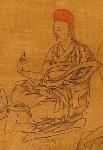
Rongton Sheja Kunrik
b.1367 - d.1449
BDRC P431
绒敦谢嘉贡利是知名的萨迦六圣中的第二位。在这些大师中,他因精于佛教经藏而尤受尊崇。绒敦曾在桑浦寺学习并讲法。1436年他建立了盆域那烂陀寺。

Orgyen Dzongpa Chokyong Gyeltsen
b.1455? - d.1520?
BDRC P2418
Orgyen Dzongpa Chokyong Gyeltsen studied with many teachers, mostly of the Sakya and Kagyu traditions. Near the end of his life he became the twentieth holder of the monastic seat of Jonang Monastery. Orgyen Dzongpa’s most important disciple was Lochen Ratnabhadra.

Nyendrak Tarpa
b.late 19th cent. - d.early 20th cent.
Nyendrak Tarpa was a lama of Nalendra Monastery in the late nineteenth and early twentieth century. He was a teacher of the Fifth Zimwok Tulku and of the Eighteenth Chogye Trichen.

Ngawang Lodro Rinchen
b.1892 - d.1959
BDRC P9786
Lama Ngawang Lodro Rin chen, known as Lama Ngaklo, was a teacher at Nalendra Monastery in the first half of the twentieth century. He was an important teacher to Chogye Trichen. In 1949 he performed rituals at Sakya Monastery that were partially credited for the birth of the Forty-First Sakya Trizin.

Chime Dolkar
b.1885 - d.1966
BDRC P1TD59
Chime Dolkar was the mother of Chogye Trichen Rinpoche. She was born into the prominent Drangti and Rakashar families that had close ties to Sakya monasteries in central Tibet. She married Sonam Sengge Wangchuk of the Zhalu Kushang family, another important patron of Sakya monasteries.

Drayab Tubten Zangpo
b.1891? - d.1930?
Drayab Tubten Zangpo was a student of Khenpo Zhenga and a teacher at multiple monastic colleges in central Tibet during the 1920s and 1930s, including Sakya, Ngor, Dreyul Kyetsel, and Samye.

Won Rinpoche Khyenrab Jigme Gyatso
b.1897 - d.1957
Khyenrab Jigme Gyatso, also known as Won Rinpoche, was assigned in youth to the position of Chogye Zhabdrung, abbatial candidate of Nalendra from the Chogye Labrang, but he was deemed unsuitable and returned to his family. He was an elder half-brother to the Eighteenth Chogye Trichen, Lekshe Gyatso.

Khedrub Rinchen Lodro
b.mid 14th cent. - d.mid 15th cent.
BDRC P3AG14
Khedrub Rinchen Lodro was the fourteenth lineage holder of the Bon Atri system of Dzogchen.

Kelzang Chodron
b.1901 - d.1963
Kelzang Chodron was a daughter of the prominent Zhalu Kuzhang family that provided abbots to Nalendra and Ngor monasteries. Her brother was Chogye Trichen. In 1917 she married the king of Mustang, Jampel Tenzin Dradul and lived in Mustang for the rest of her life.

Jampa Ngawang Kunga Chopel
b.1884 - d.1951
Kunga Chopel was a disciple of the Seventeenth Chogye Trichen of Nalendra Monastery and a tutor to the Eighteenth Chogye Trichen.

Gorampa Sonam Sengge
b.1429 - d.1489
BDRC P1042
Gorampa Sonam Sengge, the Sixth Ngor Khenchen, was a disciple of Rongton Sheja Kunrik and Ngorchen Kunga Zangpo. He was an important thinker of the Sakya tradition, establishing a Madhyamaka view that was critical of both Dolpopa and Tsongkhapa. Gorampa founded Tanak Serling and Tanak Tubten Namgyel monasteries. The latter would become an important teaching center for the Sakya tradition. Famed for his learning in both sutras and tantras, he became known as one of the “Ornaments of Tibet” an epithet granted to six of the Sakya tradition's most revered masters.

Gepel Tulku Jamyang Kunga Chokyi Nyima
b.1900 - d.1948
BDRC P1KG17602
Gepel Tulku was a Sakya lama from Kandze, Kham. He was renowned for his mastery of grammar and poetics, which he taught to Chogye Trichen in the 1930s at Nalendra Monastery.

Tubten Gyeltsen
b.1902 - d.1971
BDRC P1PD108248
Dosib Tubten Gyeltsen was the seventh abbot of Khamshe, the monastic college of Dzongsar Monastery. He served from 1943 to 1950.


No comments:
Post a Comment