Iran war triggered 'most severe oil supply shock in history,' the International Energy Agency says
Oil prices notched their largest one-month gain ever, IEA says
The Iran war set off the "most severe oil supply shock in history," the International Energy Agency (IEA) said in a new report on Tuesday, warning that high prices would slash demand for crude, the primary lifeblood of the global economy.
In March, oil prices notched their largest one-month gain ever, the IEA said.
The IEA -- a Paris-based group made up of 32 member nations, including the U.S. -- warned of a widespread bout of “demand destruction" in the report. Under such a scenario, high prices would make oil unaffordable for many buyers, forcing them to find alternatives or forgo energy use altogether.
The conflict, which began on Feb. 28, prompted Iran's effective closure of the Strait of Hormuz, a critical waterway that facilitates the transport of about one-fifth of the global supply of oil and natural gas.
Oil demand is expected to fall 80,000 barrels per day (bpd) this year as elevated prices persist, the IEA said, marking a sharp decline from year-over-year growth of 640,000 bpd forecasted in the group’s previous monthly report.
"Initially, the deepest cuts in oil use have come in the Middle East and Asia Pacific," the IEA said. "However, demand destruction will spread as scarcity and higher prices persist."
Offering some respite, U.S. oil prices fell about 6% on Tuesday as traders appeared hopeful about a negotiated resolution to the Middle East conflict.
West Texas Intermediate futures price, the benchmark index for U.S. trading, registered at about $92 a barrel, well below a recent high. Still, the price of oil stood 37% higher than its pre-war level.
The vast majority of fuel delivered through the strait is bound for Asia, placing the heaviest pressure on energy supply in that continent. Since oil and gas are sold on a global market, however, the shortage has sent prices rising for just about everyone.



Gasoline prices in the U.S. stood at $4.11 on average per gallon on Tuesday, marking an increase of $1.13 since the war began, AAA data showed.
Last month, the IEA said its member nations would release 400 million barrels of oil combined from their emergency reserves, marking the largest oil release in the group's history.
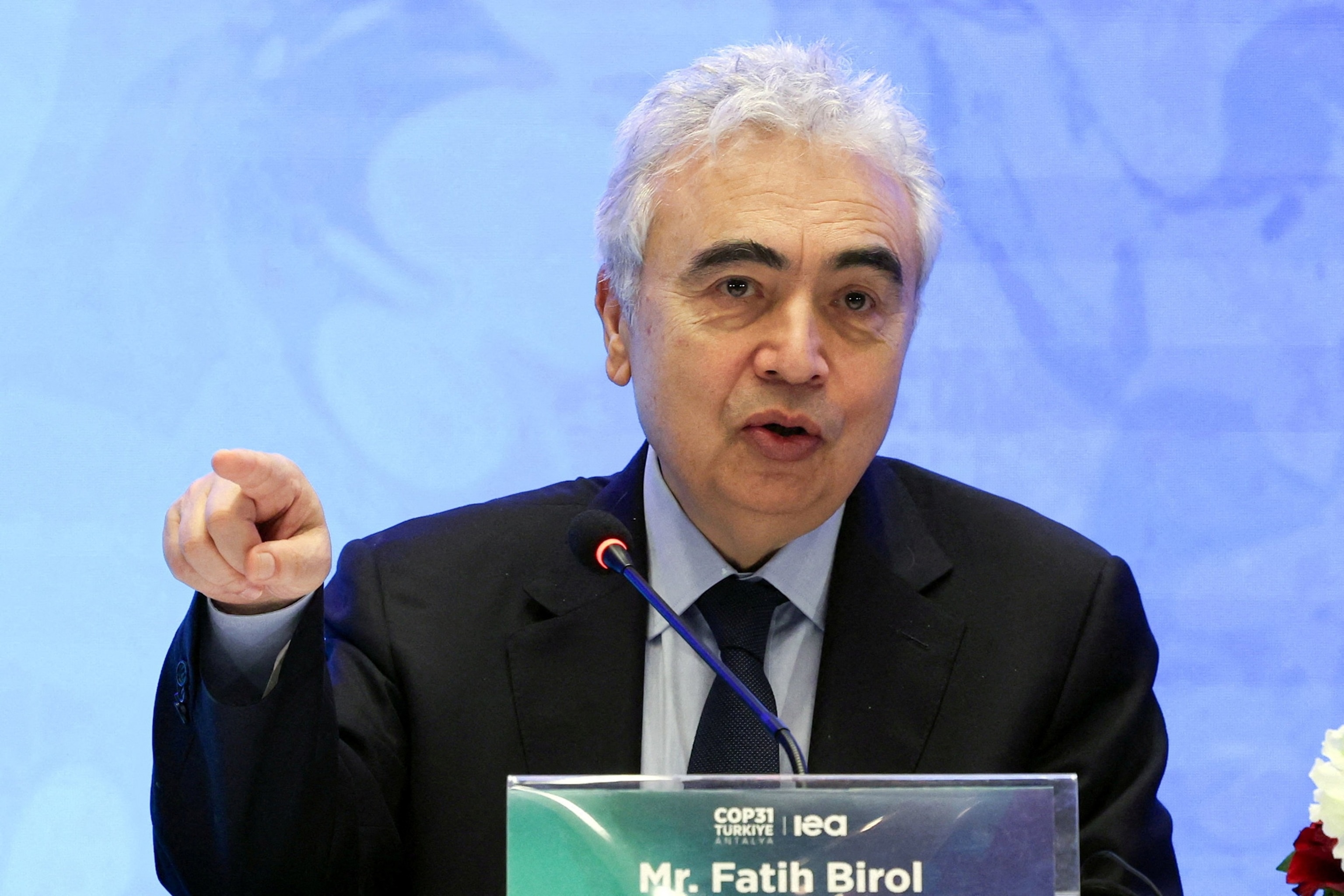
"The conflict in the Middle East is having significant impacts on global oil and gas markets with major implications for energy security, energy affordability and the global economy," Faithe Birol, executive director of the IEA, said last month.
President Donald Trump set an April 7 deadline for Iran to fully reopen the Strait of Hormuz or face broad strikes on its critical infrastructure. Hours before the deadline expired, Trump said he had agreed to suspend planned bombing for two weeks if Iran agreed to reopen the Strait of Hormuz.
But subsequent U.S.-Iran talks in Pakistan failed to reach a peace deal. Trump said that Iran's nuclear program was the key sticking point, and that the U.S. would respond with a blockade of the Strait of Hormuz starting at 10 a.m. ET on Monday.
Trump said that another round of peace talks with Iran in Islamabad could be happening "over the next two days," during a phone interview with the New York Post on Tuesday.
ABC News' David Brennan and Meredith Deliso contributed to this report.


No comments:
Post a Comment