One of many ways to deal with this is to go into a Chapter 13 Bankruptcy. The reason you want a Chapter 13 instead of a Chapter 8 is that you can keep your car and your house if you own one while you go into a Chapter 13 Bankruptcy. By doing this the interest you are adding to your Student loans ends right then. You still have to pay off the loan but at the amount it is right then and no more interest is added. Though you have to pay this off in full then any other debts are paid back at 10cents on the dollar.
However, this is one way to regroup to survive your lives when your degree didn't pay off they way you thought it might. It's true some people leave the country permanently to avoid all this debt. However, if you want to remain in the U.S. and work anywhere it is better to reorganize with a Chapter 13 bankruptcy if you want to live near your families or wherever you live and want to stay there.
However, you have to be working somewhere usually to be allowed to enter into a Chapter 13 Bankruptcy because you need to organize your payments of how you are going to pay off your student loans where no more interest is added and pay off your 10 cents on the dollar for all other debts as well.
It's a way to financially survive here in the U.S. provided by the Law in all 50 states. (However, likely some states are better than others to go through a Chapter 13 bankruptcy so doing your research into this might be useful too because I'm not a lawyer.

Delinquent student loan borrowers could see wage garnishments next month
Around 5 million Americans have defaulted on student loan payments.
Millions of student loan borrowers who are severely delinquent in their payments will see wage garnishments hit their paychecks in January, a spokesperson for the U.S. Department of Education confirmed to ABC News Tuesday.
The move is months in the making and comes as the Trump administration continues to revamp the nearly $1.7 trillion student loan system impacting more than 40 million Americans. Around 5 million Americans have defaulted on student loan payments, which means they haven't paid their debts for at least nine months or 270 days. When the loan officially enters default, it becomes eligible for mandatory collections.
Collections on loans restarted in May and are typically done through wage garnishments and offsetting tax refunds or other federal benefits like Social Security.
Wage garnishment is a legal procedure in which a person's earnings are required by court order to be withheld by an employer for the payment of a debt, according to the Department of Labor. The Education Department spokesperson expects the first wage garnishment notices to be sent to approximately 1,000 defaulted borrowers the week of Jan. 7 and the notices will increase in scale month to month.
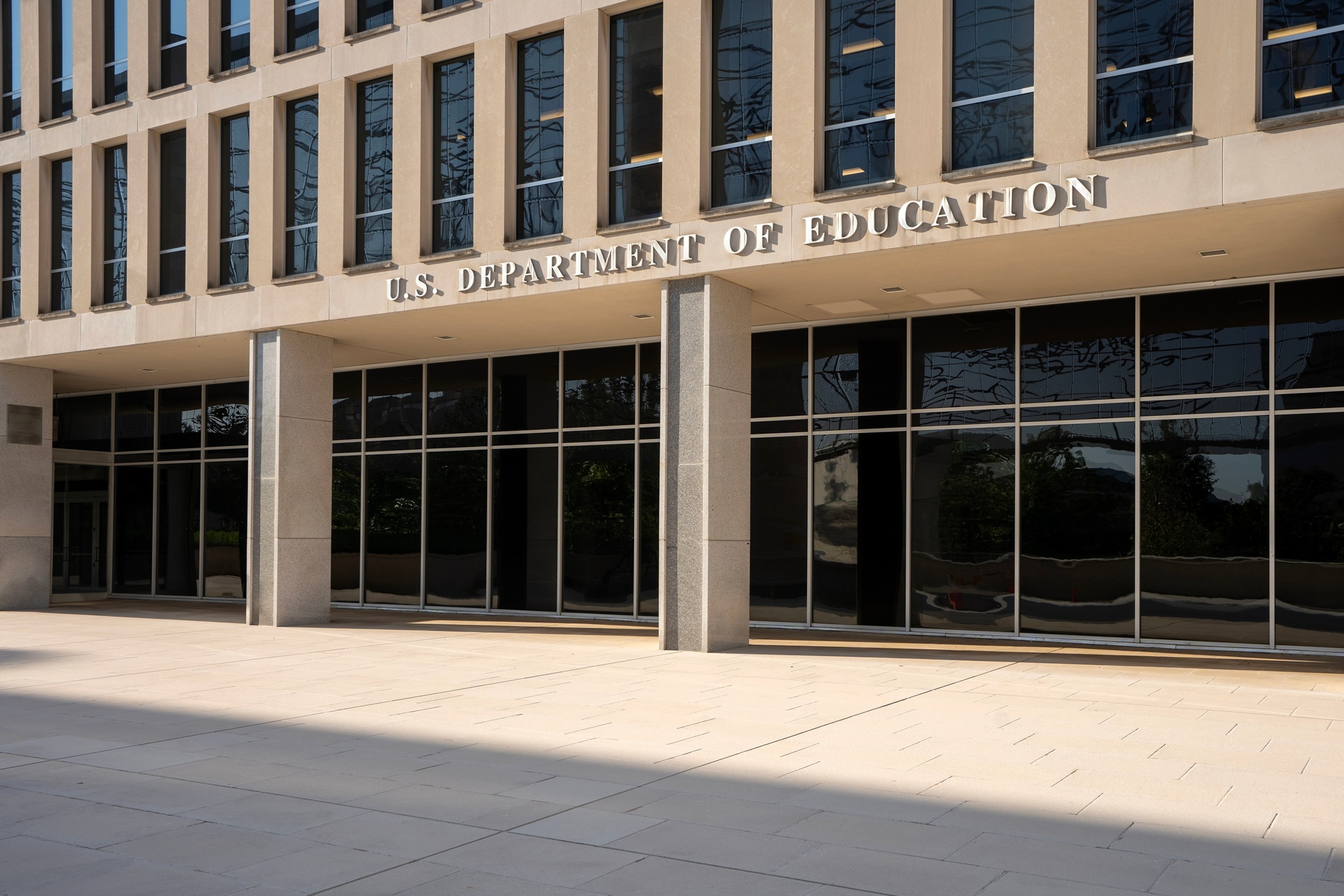
Collections are made only after student and parent borrowers have been provided "sufficient notice and opportunity" to repay their loans, according to the department.
Former Under Secretary of Education James Kvaal told ABC News earlier that defaults can be "tragic" for borrowers. In some cases, Kvaal warned, defaults can negatively impact credit scores and future student aid.



Student debt advocates stress the upcoming garnishments will be the first time that borrowers have had their paychecks seized since the COVID-19 pandemic. Persis Yu, deputy executive director and managing counsel of advocacy group Protect Borrowers, argued that the administration's decision is cruel to the Americans who are already struggling with the so-called "affordability crisis."
"As millions of borrowers sit on the precipice of default, this Administration is using its self-inflicted limited resources to seize borrowers' wages instead of defending borrowers' right to affordable payments," Yu wrote in a statement.
Earlier this month, the Education Department moved to terminate the Saving on a Valuable Education (SAVE) plan, one of former President Joe Biden's most popular student loan forgiveness programs more than 7 million borrowers have enrolled in.
Education Secretary Linda McMahon has stressed that the Trump administration is simplifying the "overly complex" repayment process and reducing borrowing amounts to "help curb rising tuition costs."
Her department is also attempting to move the student debt portfolio and potentially transfer it to the Department of Treasury. McMahon has said that she has discussed moving the loans with Treasury Secretary Scott Bessent, but no decisions have been made yet.
Ellen Keast, Department of Education press secretary for higher education, told ABC News, "We are evaluating ways to improve the fiscal health of the nearly $1.7 trillion student loan portfolio to safeguard the interests of both students and taxpayers."
Related Topics


No comments:
Post a Comment