If you have been listening carefully, the U.S. is striking now Iranian Shia Militias in Iraq because they have been shelling American bases that are jointly occupied by American Soldiers and Iraqi soldiers in Iraq. So, the U.S. since Americans were getting wounded by Iranian Shia attacks have bombed with F-15 Fighter bombers (likely missiles the most) these IRanian Shia Militias.
But now, these militias are attacking the U.S. Embassy in Baghdad and so Apache helicopters are flying over the U.S. Embassy to shoot anyone who tries to attack the U.S. embassy even though rocks and molotov cocktails and the like have already been hurled over the Embassy Wall. So far, our U.S. Marine soldiers that guard every U.S. Embassy have kept the protesters from Sacking the U.S. Embassy in Baghdad.
So, once again, is Trump getting us into a war with Iran so Americans will be afraid not to re-elect him during a war?
Why is he going to get Americans killed right now? So, he can get re-elected by getting Americans and Iranians killed in a completely needless war?
Another thing to realize is that the sanctions placed by the U.S. on Iran and North Korea are killing the economies and the poorer people in both countries by the thousands now and we can thank Trump for killing the poor of both nations through sanctions preventing them from getting food at all (if they are poor and not a part of the government of Iran or North Korea. So, Trump is actually killing the same people who could overthrow both governments which is why I think this is crazy by starving them to death through the sanctions.
Tuesday, December 31, 2019


Roberts: Americans take democracy for granted


Happy New Year! I really can't believe it's 2020
I'm 71 so I remember being 21 in 1969 and 50 years later it's 2019 for 1 hour and 10 minutes more now because it's now almost 10:50 pm PST December 31st 2019.
So, for me, anything after about 1970 was always the future the way I saw it then. And then that changed again by 1974 when my first child, a son was born and then it became about His future more than mine and my other children after that as well. So, what Am I doing in 2020 now 50 years later?
That's the question I'm asking myself today and this last week.
I've been watching "Lost in Space" the 2nd season on Netflix this past week some of the time and found it pretty rewarding to watch in various ways. But, then again I also watched the original on TV with Robbie the Robot in the 1950s too. So, watching this is kind of nostalgic with a female "Dr. Smith" one of the bad guys in this one too.
Either way, 2020 is 50 years further into the future than I ever thought I'd get in 1969 and 1970 because back then at 22 I didn't expect to live past 25. But, then I got married at 26 and had a son and had to rethink everything and stay alive to raise my children and start businesses to support them.
I remember at age 25 when I said to a group of my male friends (and I believed this at the time), "Maybe I'll just have a long string of girlfriends like I have had since I was 15?"
And the next year I was married with a son. One's 20s are so funny while I did 180s degree changes in my life right and left. I look back now and wonder how I actually survived it all to even 30. But, here I am at 71 here in 2020 still living a very good life.
Life is Amazing!
By God's Grace
Happy New Year! Everyone around the world!
So, for me, anything after about 1970 was always the future the way I saw it then. And then that changed again by 1974 when my first child, a son was born and then it became about His future more than mine and my other children after that as well. So, what Am I doing in 2020 now 50 years later?
That's the question I'm asking myself today and this last week.
I've been watching "Lost in Space" the 2nd season on Netflix this past week some of the time and found it pretty rewarding to watch in various ways. But, then again I also watched the original on TV with Robbie the Robot in the 1950s too. So, watching this is kind of nostalgic with a female "Dr. Smith" one of the bad guys in this one too.
Either way, 2020 is 50 years further into the future than I ever thought I'd get in 1969 and 1970 because back then at 22 I didn't expect to live past 25. But, then I got married at 26 and had a son and had to rethink everything and stay alive to raise my children and start businesses to support them.
I remember at age 25 when I said to a group of my male friends (and I believed this at the time), "Maybe I'll just have a long string of girlfriends like I have had since I was 15?"
And the next year I was married with a son. One's 20s are so funny while I did 180s degree changes in my life right and left. I look back now and wonder how I actually survived it all to even 30. But, here I am at 71 here in 2020 still living a very good life.
Life is Amazing!
By God's Grace
Happy New Year! Everyone around the world!
Is it more important to believe in God or in Compassion?
I think both are important but part of the reason I believe this is when and where I was born on earth.
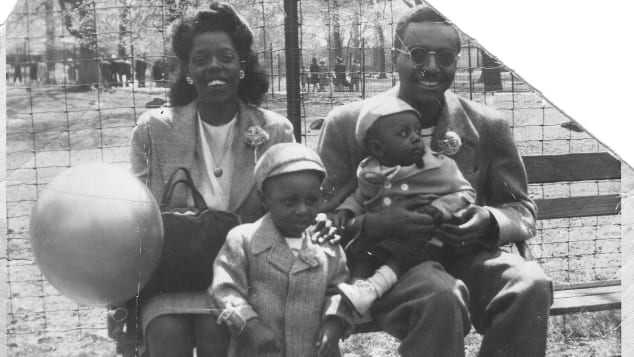
For example, I was born in Seattle Washington before 1950 just after world War II. My parents had had to survive the Great Depression and world war II and were born in 1916 (my father) and 1919 (my mother). So, all this is important to understand what my belief system became.
But, I have also met people while I was traveling in Asia who were Tibetan Buddhists especially who did not believe in God (at least in the way we would interpret as Christians what that meant). But, in many ways I found them much more devout than most Christians I have met in the U.S. in their beliefs. Many or most Christians would not stake their lives on their belief systems unless they were ministers or priests and sometimes not even then. But, I found Tibetan Buddhists risked their lives often every day just to be allowed to believe what they believe and many have died and are still dying trying to live their beliefs especially in Tibet and China that are still Tibetan Buddhists today.
So, is it more important to believe in God or compassion?
I think both are equally important in order to be a good Christian or a good human being. But, many have different opinions on the subject than I do.
The most important thing I would say is that people believe in consequences to their every thought, word and spoken deed. I think this might be the best way to say this. Every harm you do will come back to you and every good deed you do will come back to you, sooner or later.
This is my everyday experience.
And if your deeds and actions are too harmful to others likely they might kill you or worse.
So, first understand that there are consequences for everything you think, say or do in life.
Then think on what is practical to think, say or do if God is listening to every thing you think say, or do.
Otherwise, whether you believe in God or Buddha or nothing people will seek revenge against you if you harm them through ignorance or stupidity or cruelty.
It's important to realize that there are consequences for everything.
As an intuitive this is very easy for me to see because I experience everything as communicating with me whether it be air or water or land or trees or plants or people or even people's bodies. No one can lie to you if you are intuitive enough and get away with this.
This is one reason why I believe in developing one's instincts and intuitions for long term survival here on earth.
What goes around comes around. Whatever you do to others they will also do to you sooner or later.
So, be really careful what you do or think in life because it all comes back sooner or later back upon you both good and bad and everything in between.
So, it's sort of like in Santa Claus is coming to town . (the song):
"So be good for goodness Sake!"
By God's Grace
For example, I was born in Seattle Washington before 1950 just after world War II. My parents had had to survive the Great Depression and world war II and were born in 1916 (my father) and 1919 (my mother). So, all this is important to understand what my belief system became.
But, I have also met people while I was traveling in Asia who were Tibetan Buddhists especially who did not believe in God (at least in the way we would interpret as Christians what that meant). But, in many ways I found them much more devout than most Christians I have met in the U.S. in their beliefs. Many or most Christians would not stake their lives on their belief systems unless they were ministers or priests and sometimes not even then. But, I found Tibetan Buddhists risked their lives often every day just to be allowed to believe what they believe and many have died and are still dying trying to live their beliefs especially in Tibet and China that are still Tibetan Buddhists today.
So, is it more important to believe in God or compassion?
I think both are equally important in order to be a good Christian or a good human being. But, many have different opinions on the subject than I do.
The most important thing I would say is that people believe in consequences to their every thought, word and spoken deed. I think this might be the best way to say this. Every harm you do will come back to you and every good deed you do will come back to you, sooner or later.
This is my everyday experience.
And if your deeds and actions are too harmful to others likely they might kill you or worse.
So, first understand that there are consequences for everything you think, say or do in life.
Then think on what is practical to think, say or do if God is listening to every thing you think say, or do.
Otherwise, whether you believe in God or Buddha or nothing people will seek revenge against you if you harm them through ignorance or stupidity or cruelty.
It's important to realize that there are consequences for everything.
As an intuitive this is very easy for me to see because I experience everything as communicating with me whether it be air or water or land or trees or plants or people or even people's bodies. No one can lie to you if you are intuitive enough and get away with this.
This is one reason why I believe in developing one's instincts and intuitions for long term survival here on earth.
What goes around comes around. Whatever you do to others they will also do to you sooner or later.
So, be really careful what you do or think in life because it all comes back sooner or later back upon you both good and bad and everything in between.
So, it's sort of like in Santa Claus is coming to town . (the song):
"So be good for goodness Sake!"
By God's Grace
The snow video before this article
What often happens if you watched the video is that let's say you are already driving to the limit of your ability in snow. Then you see a person or persons you don't want to hit but because you are already driving in 4 wheel drive to the limit of your ability the slightest change in throttle or braking or steering can do something like this. This is why you don't want to be driving at the limit of your ability in snow ever because things like this can happen.
For example, I was driving down years ago in the mid 1980s in a 1960 Volvo which I had bought because my 1982 GMC Window van couldn't make it up Mt. Shasta on a snowy road without chains which made the van too dangerous to drive from my point of view. So, I bought an old 1960 Volvo with snow tires that didn't even have a starter that worked so I could go skiing back in the mid 1980s. I had to park it on a slope so I could start it even in 2nd gear without a starter. But, it was absolutely great in the snow. However, after skiing cross country up at Bunny Flat I was find down past the first road to upper Sand Flats but then I hit ice and did a 360 where my car was lodged into a snow bank on a right turn. I was really scared because someone going down was going to hit my car for sure. So, I was really scared someone was going to die because I couldn't dislodge the car by myself. IN other words my car was facing uphill because it had entirely spun around on the right bank in the snow of the road.
However, right about then a carload of 6 or 8 snowboarders came by and saw how dangerous this was and picked up my car off the ground and carried it to the road and I was on my way after thanking them for saving people's lives. They saw how dangerous this could be too. I was never so grateful to see all those young strong snowboarders who likely saved one or more people's lives that day!
By God's Grace
For example, I was driving down years ago in the mid 1980s in a 1960 Volvo which I had bought because my 1982 GMC Window van couldn't make it up Mt. Shasta on a snowy road without chains which made the van too dangerous to drive from my point of view. So, I bought an old 1960 Volvo with snow tires that didn't even have a starter that worked so I could go skiing back in the mid 1980s. I had to park it on a slope so I could start it even in 2nd gear without a starter. But, it was absolutely great in the snow. However, after skiing cross country up at Bunny Flat I was find down past the first road to upper Sand Flats but then I hit ice and did a 360 where my car was lodged into a snow bank on a right turn. I was really scared because someone going down was going to hit my car for sure. So, I was really scared someone was going to die because I couldn't dislodge the car by myself. IN other words my car was facing uphill because it had entirely spun around on the right bank in the snow of the road.
However, right about then a carload of 6 or 8 snowboarders came by and saw how dangerous this was and picked up my car off the ground and carried it to the road and I was on my way after thanking them for saving people's lives. They saw how dangerous this could be too. I was never so grateful to see all those young strong snowboarders who likely saved one or more people's lives that day!
By God's Grace

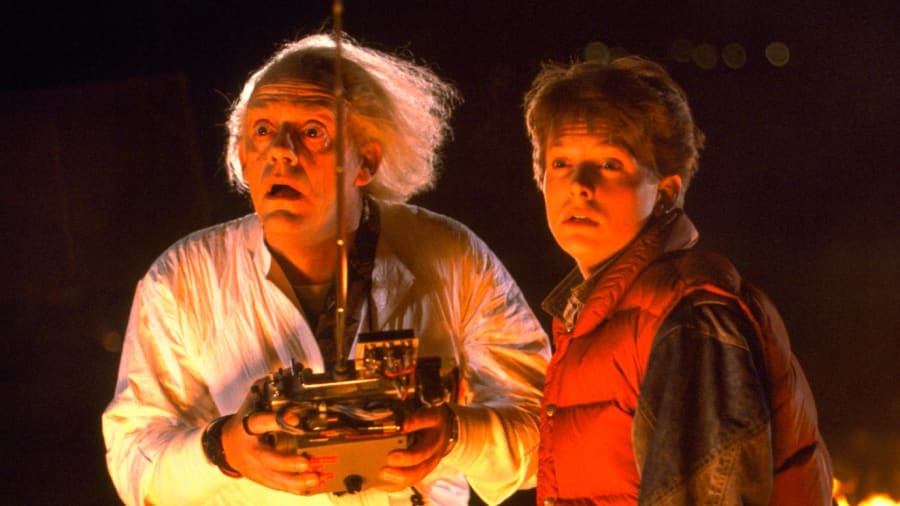
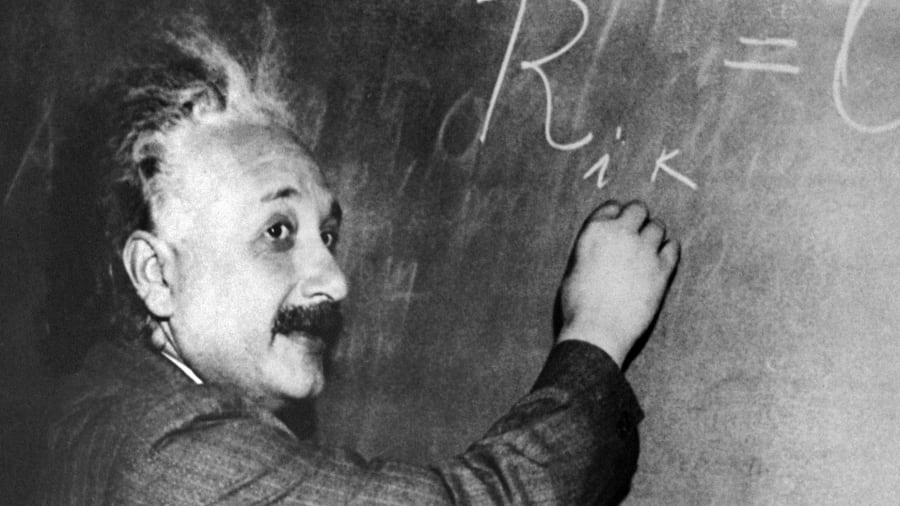
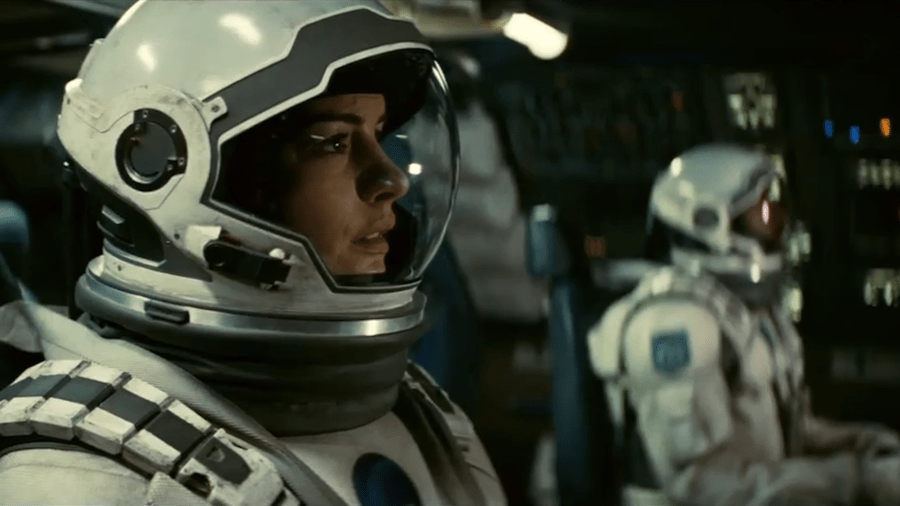
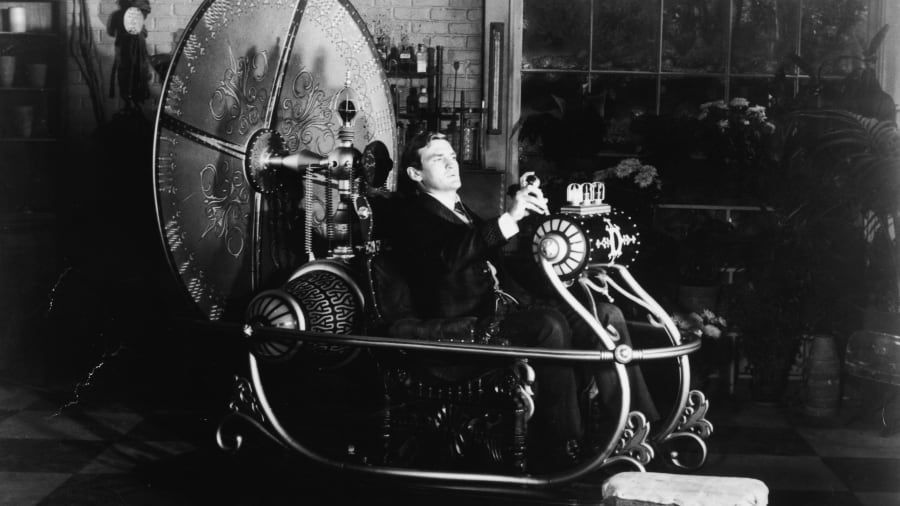
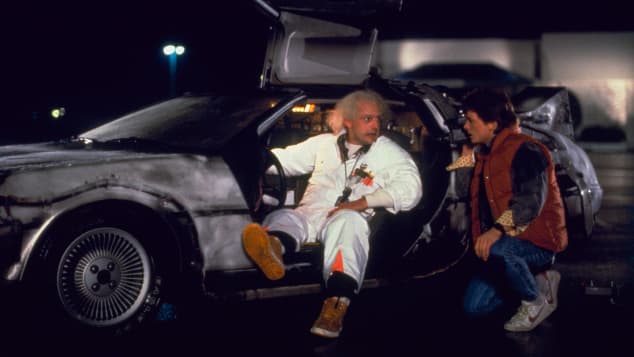
Time Travel has ALWAYS been possible
Why?
Because whether it was invented in the past, present or future in this galaxy or another (for the first time) it is also here now and always has been since before humans came here to earth.
Saying anyone is actually inventing it for the first time here on earth is completely ridiculous. If that person is trying to make public time travel they likely will disappear if they are on the right track because time travel is more secret (because it has to be) than nuclear weapons.
In fact, nuclear weapons are only under control because of time travel and it has always been this way since nuclear weapons first were invented during world war II. So, if you dream about having been nuked you likely have been (just on a time line that has already been corrected).
If you were born before 9-11-01 all of us basically died that day so if you remember it (from the first timeline) then that makes sense. I try not to think about it much myself as I prefer life here on the 2nd timeline (with or without Trump).
So, basically Time travel exists in the past, present and future of likely all galaxies at this point and all civilizations in all galaxies are affected by those changes all the time (whether they realize it or not).
Because whether it was invented in the past, present or future in this galaxy or another (for the first time) it is also here now and always has been since before humans came here to earth.
Saying anyone is actually inventing it for the first time here on earth is completely ridiculous. If that person is trying to make public time travel they likely will disappear if they are on the right track because time travel is more secret (because it has to be) than nuclear weapons.
In fact, nuclear weapons are only under control because of time travel and it has always been this way since nuclear weapons first were invented during world war II. So, if you dream about having been nuked you likely have been (just on a time line that has already been corrected).
If you were born before 9-11-01 all of us basically died that day so if you remember it (from the first timeline) then that makes sense. I try not to think about it much myself as I prefer life here on the 2nd timeline (with or without Trump).
So, basically Time travel exists in the past, present and future of likely all galaxies at this point and all civilizations in all galaxies are affected by those changes all the time (whether they realize it or not).
Subscribe to:
Posts (Atom)