Pentagon shifts focus away from China in new defense strategy
Pentagon shifts focus away from China in new defense strategy
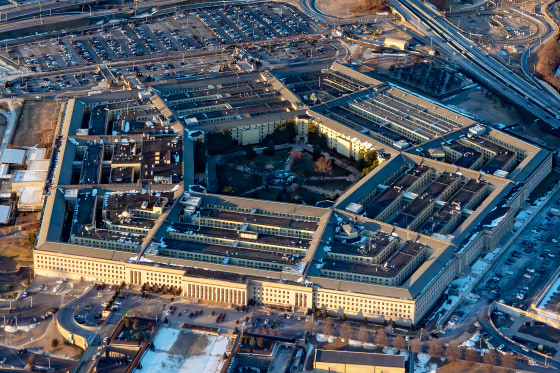
WASHINGTON — The Defense Department said in an influential strategy document published Friday that the U.S. military’s top focus is no longer on China but instead the homeland and Western Hemisphere.
The priorities laid out in the 2026 National Defense Strategy, a quadrennial report last published in 2022, diverge significantly from those of the Biden administration, with efforts geared more inward such as securing the border and countering narcotics.
The document says the country is not pursuing an isolationist agenda, but lays out why the U.S. wants allies to do more while the military focuses more on the homeland.
The main focus on the homeland includes a section about the U.S. no longer ceding key terrain in the Western Hemisphere and how the Pentagon will provide President Donald Trump with “credible options to guarantee U.S. military and commercial access to key terrain from the Arctic to South America, especially Greenland, the Gulf of America, and the Panama Canal.”
“We will ensure that the Monroe Doctrine is upheld in our time,” it adds, referring to the 19th-century foreign policy doctrine that asserts the U.S. sphere of influence extends throughout the Western Hemisphere.
The No. 2 priority for the Pentagon is now China, which was characterized in the 2022 report as the most significant strategic competitor to the U.S., due in part to Beijing’s territorial claims in the South China Sea and its aggressive behavior toward U.S. allies.
The new report says the U.S. does not seek to “strangle or humiliate” China, but rather should deter the country “through strength, not confrontation.” It says the Pentagon will “provide the military strength for President Trump’s visionary and realistic diplomacy, thereby setting conditions for a balance of power in the Indo-Pacific that allows all of us — the United States, China, and others in the region — to enjoy a decent peace.”
The Pentagon’s third priority is to increase allies’ burden sharing, including Canada and Mexico in the Western Hemisphere and Europeans on their continent. The fourth priority is rebuilding the defense industrial base.
Recommended


As the Russia-Ukraine war nears the four-year mark, Moscow gets a relatively brief mention in the report. Russia is described as a “persistent but manageable threat to NATO’s eastern members for the foreseeable future,” and that the Pentagon will ensure that American forces are prepared to defend against Russian threats “to the U.S. Homeland.”
The report comes as Trump struggles to bring an end to a war he repeatedly said he could end on the first day of his second term, or even before he took office. It also comes on the heels of the arrest of Venezuela’s now-deposed president, Nicolás Maduro, by U.S. forces and Trump’s push to acquire Greenland, though he has said he won’t use force to achieve that goal.
Unlike previous National Defense Strategy reports under Republican and Democratic presidents, the 2026 version is overtly political, with a focus on both President Joe Biden and earlier administrations.
“For too long, the U.S. Government neglected — even rejected — putting Americans and their concrete interests first. Previous administrations squandered our military advantages and the lives, goodwill, and resources of our people in grandiose nation-building projects and self-congratulatory pledges to uphold cloud-castle abstractions like the rules-based international order,” the report says.
“President Trump has decisively changed that, courageously putting Americans first to truly make America great once again,” it says. “We will be the sword and shield to deter war, with the goal of peace — but ready to fight and win the nation’s necessary wars if called upon.”


No comments:
Post a Comment