How the Trump Team’s First Military Raid in Yemen Went Wrong
byCynthia McFadden, William M. ArkinandTim Uehlinger
LAUDERDALE-BY-THE-SEA, Fla. — Surely the most
memorable moment from President Donald Trump's first address to a joint
session of Congress, and to the nation, came in his tribute to Ryan
Owens, a fallen Navy SEAL.
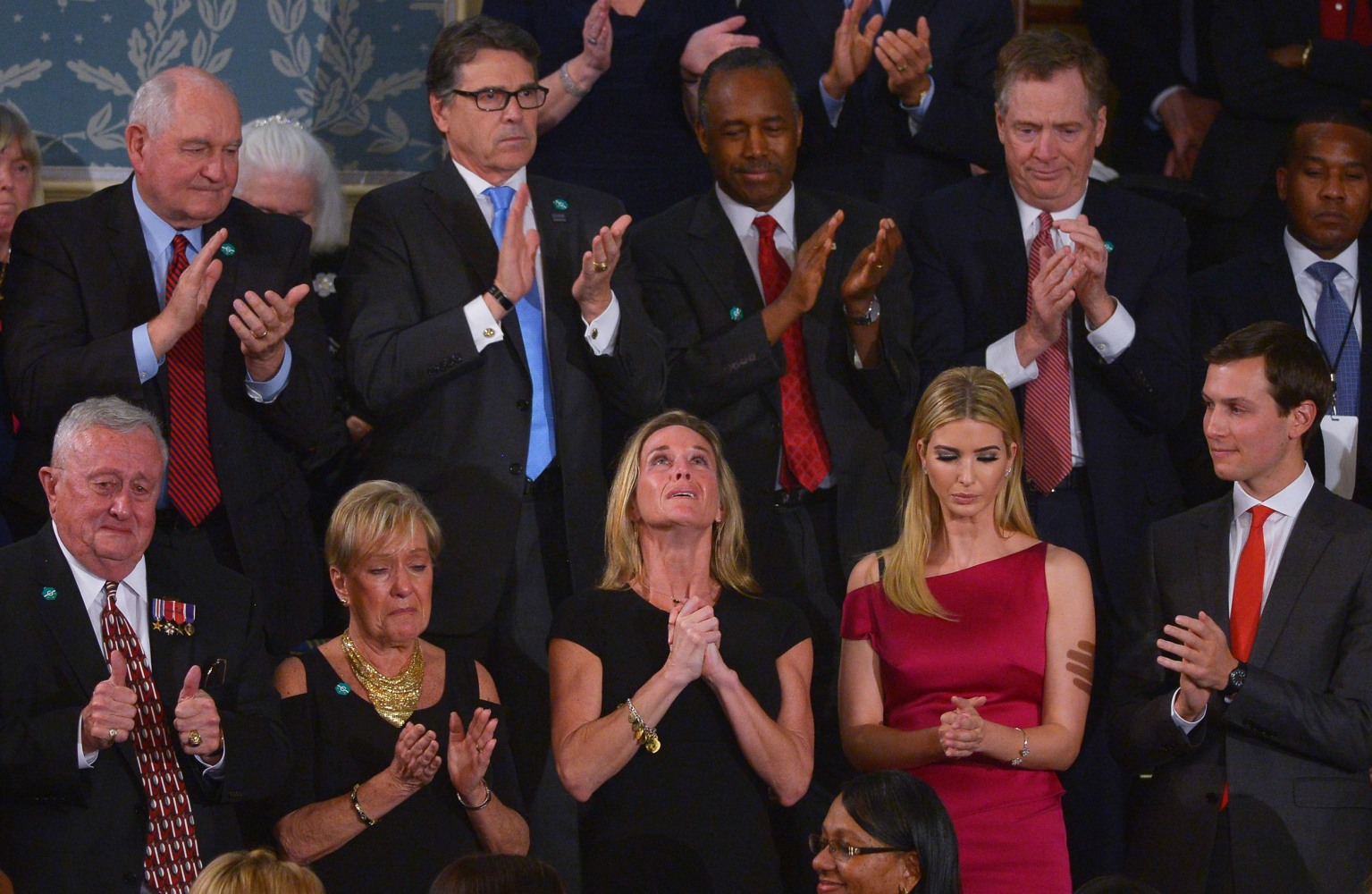
Carryn
Owens, the wife of slain Navy SEAL William Ryan Owens, looks up while
being acknowledged by President Donald Trump during his address to a
joint session of Congress on Feb. 28. Mandel Ngan / AFP - Getty Images
"Ryan died as he lived, a warrior and a hero,
battling against terrorism and securing our nation," the president said
on Feb. 28. The SEAL's tearful widow, Carryn Owens, sat in the place of
honor above the chamber.
Chief Petty Officer Owens, a 36-year-old
father of three, was indeed a warrior, experienced and combat-proven,
the most elite of the elite, and a long-time member of SEAL Team 6.
"Ryan's legacy is etched into eternity," President Trump continued, turning to look up at Ryan's grieving widow. "Thank you."
A gold star family member as guest of the White House. A presidential call-out. The heartfelt applause and the raw emotions. Related: SEAL, American Girl Die in First Trump-Era U.S. Military Raid
The scene was a time-honored ritual, a public
tribute to the price paid by a warrior and his family. What made it
unusual, however, was how Ryan Owens died. His death came just days into
the new administration, in a country virtually unknown to the American
public, on a troubled mission approved and ordered by a team that had
never worked together before, for a purpose that Owens' own father, a
former special operator himself, questions.
"It was a screw-up from the start that ended badly," Bill Owens told NBC News in an exclusive broadcast interview.
What went wrong during Yemen raid that killed Navy SEAL Ryan Owens?10:56
The retired police officer isn't one to wear
his emotions on his sleeve. He's spent his entire life serving, in the
Army as a green beret, in the Navy, and as a policeman in Florida, where
he's now retired.
But Bill Owens has severe doubts that his son or anyone else should have been in the line of fire that January night.
"Why did they do this mission at this time?" he asked.
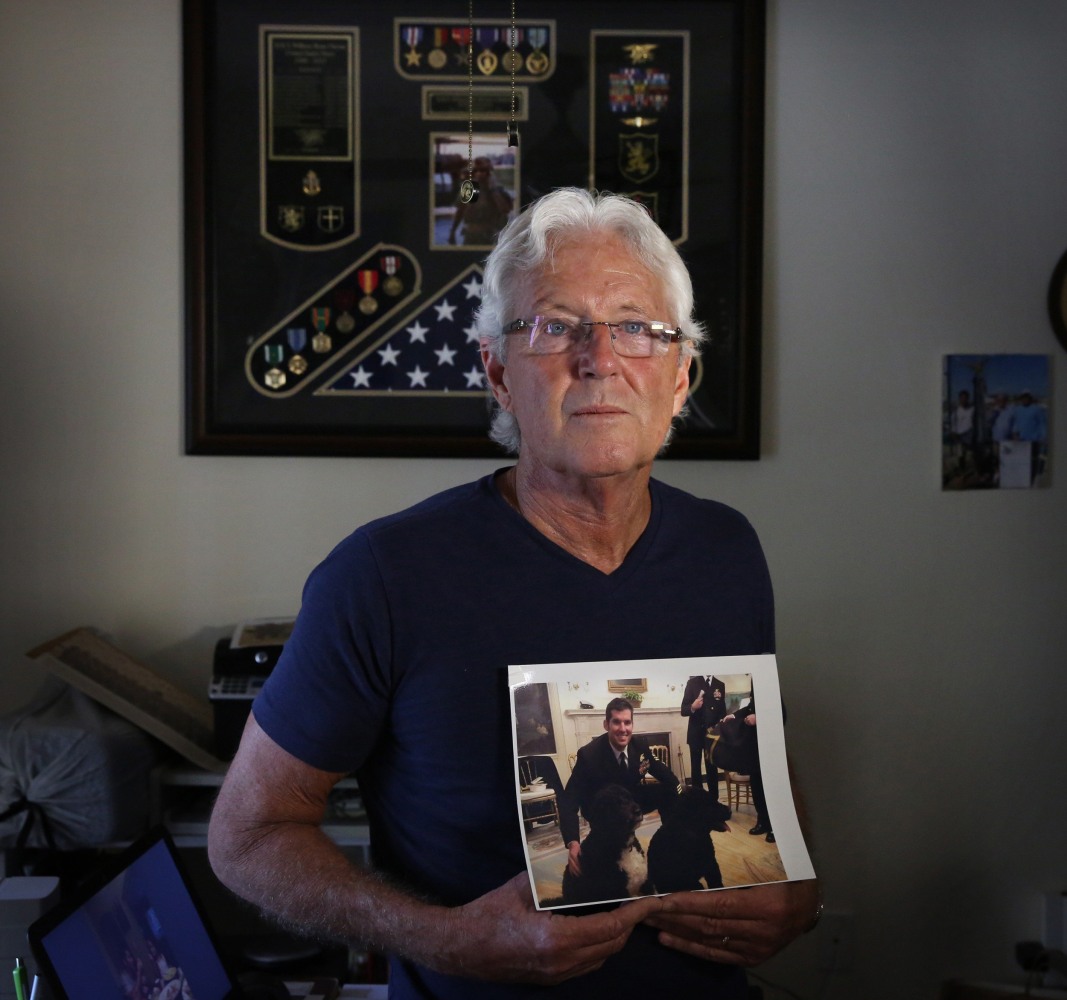
William Owens holds a photo of his son, Navy SEAL William "Ryan" Owens, in Lauderdale-by-the-Sea, Florida. Emily Michot / AP
The father is distressed that the Trump administration has insisted the mission was an unbridled success.
He is frustrated that the White House has
asserted that anyone who questions the success of the mission is doing a
disservice to the memory of his son. And he particularly resents the
White House using his son's death for political purposes.
In an extensive interview with NBC News, Bill
Owens said as far as he is concerned there was no need for President
Trump to burnish Ryan's legacy. "I know how wonderful [Ryan] is, so I
don't need that reaffirmation from the president," Owens said. But more
important, he said, "I feel that somebody has to stick up for Ryan — and
find out why this happened. And — I'm his father. And I'll do it."
So what did happen? Over the past eight
months, NBC News has spoken to more than two dozen officials and special
operations insiders to piece together the facts of this Top Secret
mission.
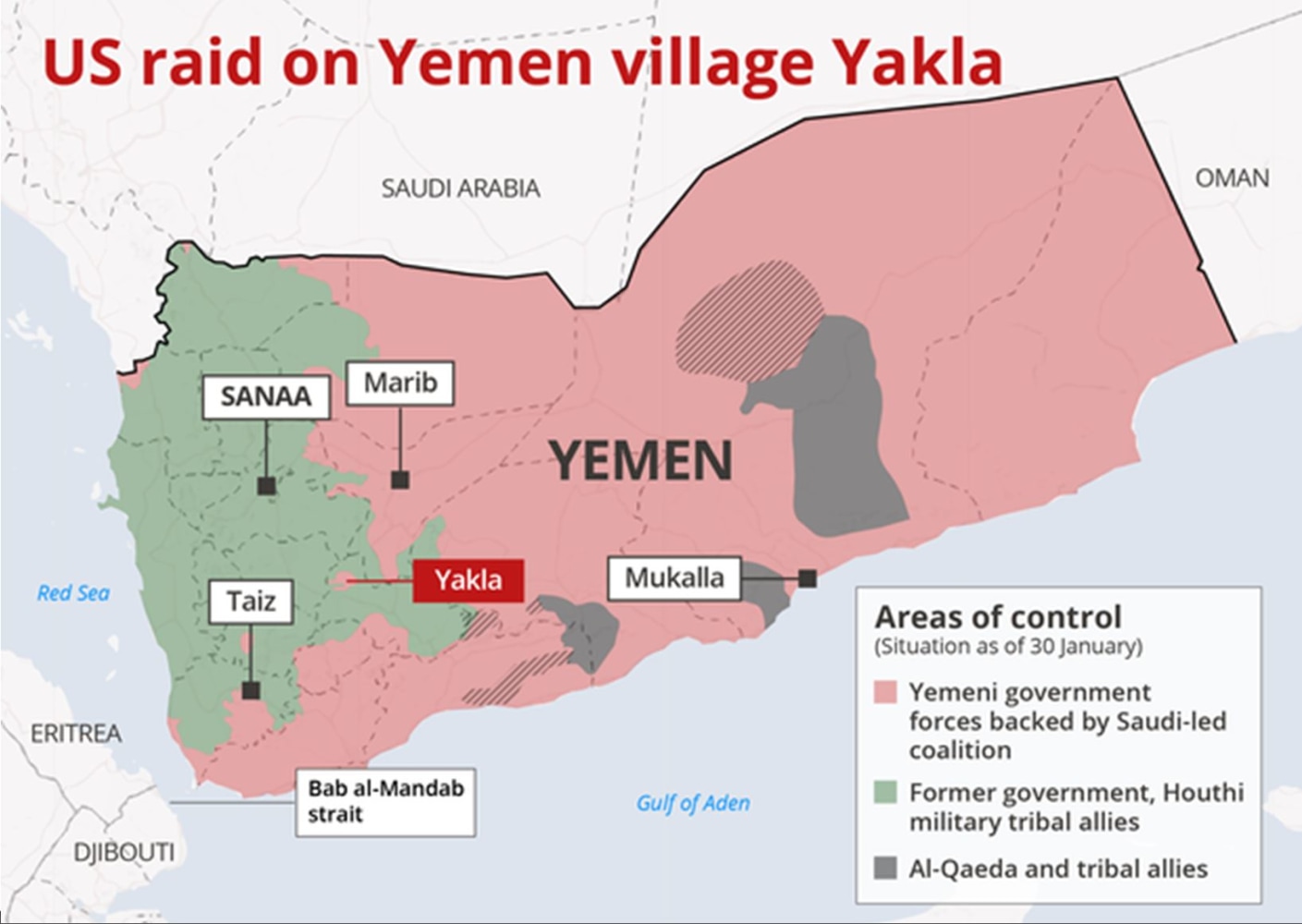
The Raid on Yakla
Chief Petty Officer Owens was killed the night
of Jan. 29 in a small village deep in the interior of southern Yemen,
an ancient nation on the Arabian Peninsula, and one that has been in a
state of civil war for two and a half years. Yemen is also home to al
Qaeda in the Arabian Peninsula (AQAP), the terror group's strongest
affiliate, which has acquired arms and money as the country has
descended into chaos.
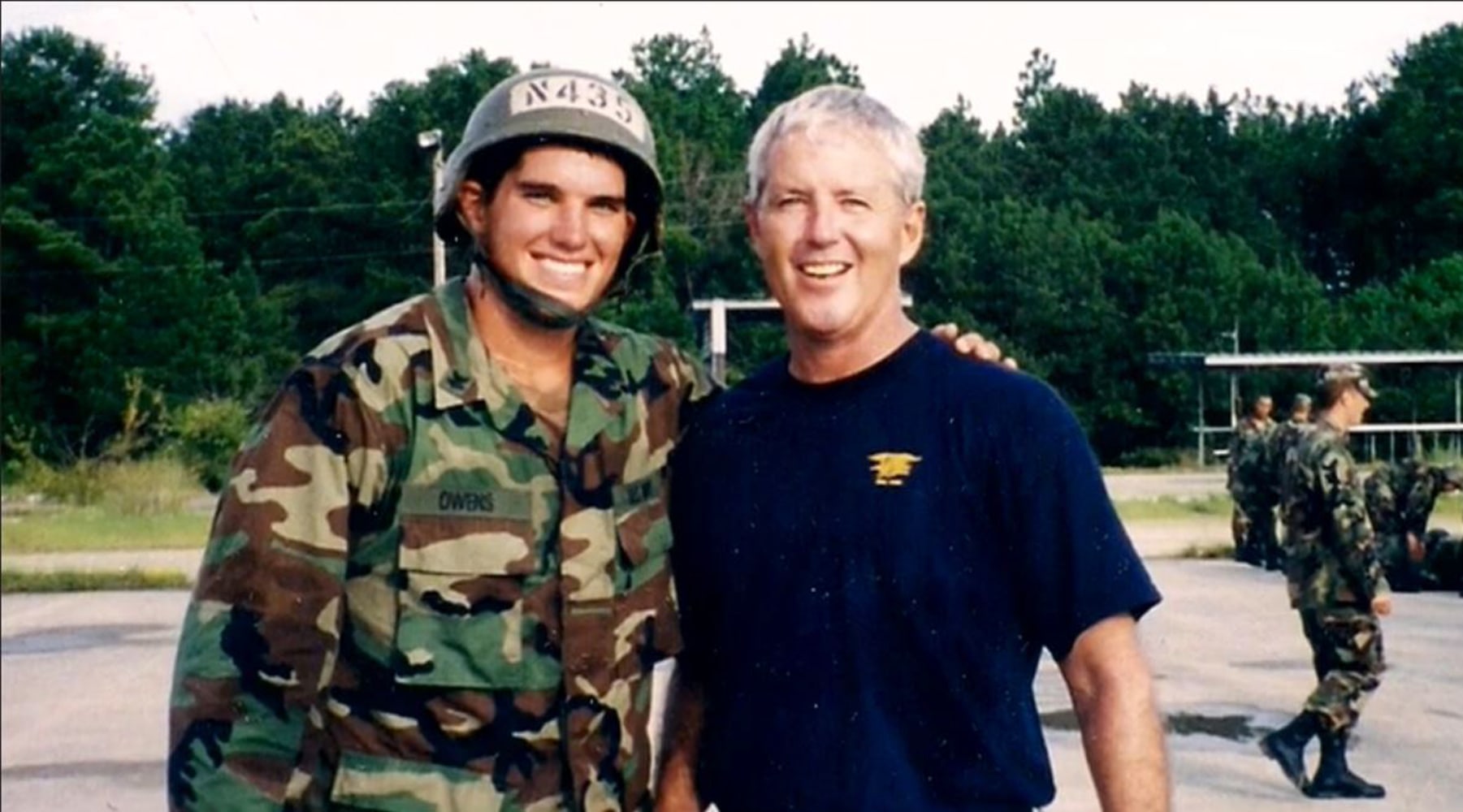
Ryan Owens, left, with his father Bill Owens. NBC News
In early 2016, U.S. intelligence grew
increasingly alarmed by the gathering strength of AQAP, and the Obama
administration began deliberating a new counterterrorism "campaign" to
weaken it. The campaign included accelerated drone strikes and even
manned airstrikes, as well as ground raids.
SEAL Team 6 rotated elements into the region
every six months, and was sequestered for the high-end kill-or-capture
missions in places like Somalia and Uganda. The highly capable and
in-demand "national mission force," requiring Presidential approval to
attack, had previously conducted a single stealthy raid inside Yemen, a
failed hostage rescue mission in late 2014. In 2016, U.S. special
operations forces also worked alongside forces of the United Arab
Emirates and Yemen to retake control of coastal communities that had
fallen under the control of AQAP.
In late 2016, as the Obama administration
deliberated next steps in the country a new campaign plan was created.
But it deferred a final decision, and as is customary in any handoff
from one administration to another, President Trump was accorded the
privilege of approving any new operations and commitments.
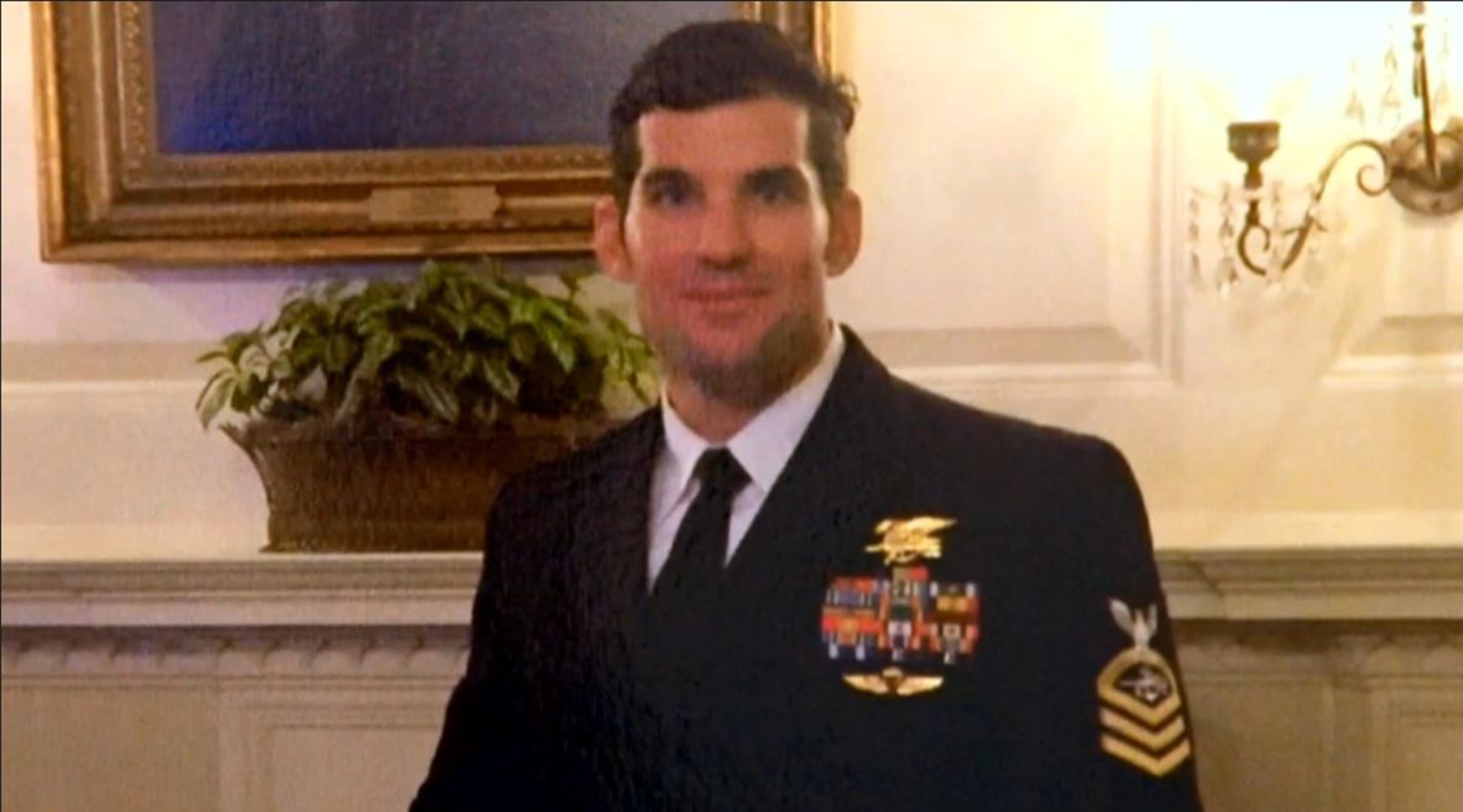
CPO Ryan Owens, a Navy SEAL who died in a raid on al Qaeda in Yemen in January 2017. NBC News
One day after being sworn in, Secretary of
Defense James Mattis was briefed on Yemen. While Washington was in
transition, forces in the region continued planning. A Special
Operations Task Force overseeing SEAL Team 6 prepared a series of raids
on AQAP strongholds and leaders, even rehearsing operations in the
nearby country of Djibouti, on the Horn of Africa.
A specific raid was proposed. A small and
isolated village where AQAP had congregated had been identified. U.S.
intelligence, working with the UAE, concluded that important activity
was taking place there. According to two officials in the Trump White
House, the Special Forces of the UAE and the United States had
increasingly been working together, and a coordinated raid on the village of Yakla was proposed. Related: Inside the Yemen SEAL Raid
Officially, the mission was labeled a
sensitive site exploitation (SSE), a raid to capture electronics and
documents that would reveal AQAP membership and concentrations. The plan
was to then exploit that material and stage rapid follow-on strikes,
according to multiple military and special operations experts.
NBC NEWS
Unofficially, and highly secret, even from
many inside the Pentagon, was the far more sensitive kill-or-capture
mission to go after AQAP leaders. Under the Obama administration, no
explicit capture mission had ever been approved, the sources say. And,
according to multiple special operations sources, it was highly secret
that the national mission force would work hand-in-hand with a foreign
counterpart, even in support of UAE objectives as opposed to American
unilateral "high value target" kill missions. In addition, Yemen was
what the national security community called "outside of a declared
theater of war," where the legality and implications of operations were
far more sensitive.
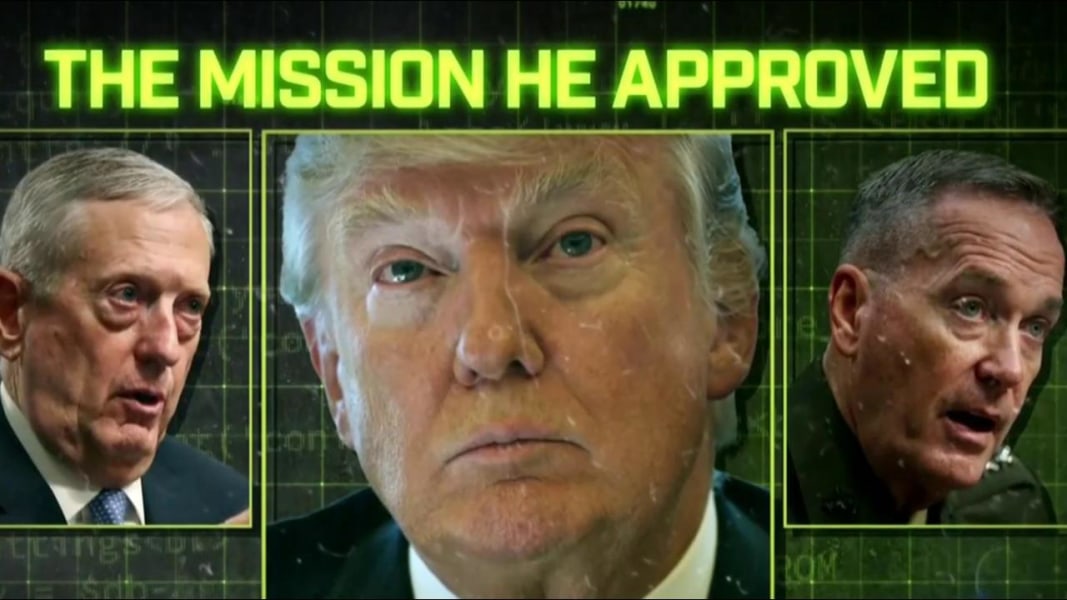
Secretary Mattis supported the mission as
presented to him, and the new Trump national security team met for the
first time on the night of Jan. 25 to consider it. Present were the
president, Vice President Pence, Mattis, then-National Security Advisor
Michael Flynn, Chairman of the Joint Chiefs of Staff Gen. Joseph
Dunford, CIA Director nominee Mike Pompeo, chief strategist to the
President Steve Bannon, and presidential son-in-law Jared Kushner.
Absent was any representative of the State Department, a departure from
common practice in past administrations of both parties.
Over dinner, they discussed an upcoming raid to occur that very weekend.
Yemen Raid Latest: Still No Valuable Intel Produced, Ten Senior Officials Say2:04
"It's certainly unusual," said NBC News
consultant Sean Naylor. "You don't often hear about major combat actions
being approved over a meal..."
Naylor is one of the country's leading experts
on the Joint Special Operations Command (JSOC), the national mission
force made up of SEAL Team 6 and the Army's Delta Force as well as other
highly-prized counterterrorism elements.
Under the Obama administration, sources say, a
mission of this sort would have been discussed and approved at multiple
levels subordinate to the principals before being briefed inside the
secure White House Situation Room.
Two White House sources tell NBC News that
Mattis and Dunford walked the new president through the mission
objectives in the dining room, offering unreserved endorsement. If AQAP
leaders were present, there was a chance for a big win; if not, the
presence of leadership in the past and the potential intelligence take
on the ground promised at least a fruitful site exploitation that would
lead off a series of follow-on raids.
The aftermath of the January 2017 SEAL raid on Yakla, Yemen. U.S. Intelligence
According to the two sources, both Steve Bannon and Jared Kushner questioned acting on what they saw as a leftover Obama plan.
President Trump was disposed to approve the
mission, but the next morning, he asked Flynn what he thought before he
signed the so-called execute order or EXORD.
According to two White House officials, Flynn
told the President that a tip from the UAE indicated that one of the
most wanted terrorists in the world, Qasim al-Rimi, the leader of AQAP, might be at the Yemen target. He had been sighted there previously.
It wasn't unusual for Mr. Trump to rely on
Flynn for advice. The President had gotten to know his national security
advisor over months of close quarters on the campaign trail. And he was
uniquely qualified to offer judgment. Flynn had himself served as
director of intelligence for the JSOC. He had reached out to his former
colleagues at Ft. Bragg in North Carolina to gather his own intelligence
on the upcoming mission both before and after Trump's inauguration,
sources say. And, according to multiple sources, he had himself spoken
to his UAE counterparts.
Flynn said that capturing or killing al-Rimi
would distinguish the president from Obama right out of the box, the
sources said. Trump would be a risk taker where Obama was a hesitant and
endless deliberator, Flynn said. And the president would be honor the
Gulf allies who were operating in Yemen. Multiple sources say that Flynn
labeled the first week raid a "game changer."
Navy SEALs met unexpected resistance in the remote Yemeni village of Yakla during their raid. U.S. Intelligence
On Jan. 26, the day after the mission was
greenlighted at the dinner, Ryan Owens' team of Navy SEALs, staged from
Djibouti to the ships of the USS Makin Island amphibious readiness group
operating off the coast. Onboard the ships were a 2,200 strong Marine
Corps battalion task force as well as fighter aircraft and attack
helicopters that would serve as a Quick Reaction Force should something
go wrong. The SEALs and the Marines had been practicing together since
December for a possible boots on-the-ground Yemen raid. Also present,
according to multiple sources, were commandos and intelligence
specialists of the UAE.
Just after midnight on Jan. 29, the force
swooped into the village. SEAL Team 6 landed five miles downhill from
the objective. The SEALs would hike to the village in silence, and
surprise the AQAP element there.
But as the SEALs neared the outskirts, there
was trouble. Overhead drones and spy planes detected unusual activity
indicating the mission might have been compromised. Related: Still No Actionable Intelligence From Yemen Raid
"Overhead surveillance of the target revealed individuals moving to fighting positions," Naylor said.
The Special Operations Task Force headquarters
in Djibouti and the command element still on board the Makin Island
ships knew simultaneously that the element of surprise was lost. We may
never know what the discussion was, nor who ultimately made the
decision, but commanders discussed the risk versus the payoff and
decided to proceed.
Entering the village, the SEALs met fierce and
unexpected resistance. Land mines and defensive positions were
prepared. Even women took up arms. Within the first five minutes of the
firefight, Ryan Owens was mortally wounded, hit with a bullet just above
his armored breast plate. A MEDEVAC element was immediately requested
on the radio. In the next few minutes, at least two other SEALs were
wounded. Related: Trump Ducks Blame for Deadly Yemen Raid
Two Marine Corps CV-22 Osprey tilt rotor
vertical take-off and landing aircraft were dispatched for the 15-minute
flight from the Gulf of Aden. Additional Marine Corps AV-8B Harrier
jump jets and attack helicopters followed to take on the AQAP force.
But then disaster struck again. One of the two
Ospreys crashed on landing in Yemen. The Pentagon would later call it a
"hard landing," but the crash was serious enough that one of Harrier
fighter jets bombed the crash site to destroy the plane to avoid any
sensitive equipment falling into al Qaeda hands.
On the ground, the SEALs continued to battle.
Though 14 AQAP fighters were killed, including what the U.S. claims were
two leaders, al-Rimi was not at the target. In addition to Owens' death
and multiple American injuries, the unraveling of the mission also
resulted in the death of at least 16 civilians, according to U.S.
intelligence sources. Ten of those civilians were children under the age
of 13, NBC News has determined from official documents verified by U.S.
intelligence.
Within 50 minutes it was over. Ryan Owens was
dead. At least five additional American servicemen were injured. The
site exploitation was also compromised. Sources say because of the
injuries, the destruction and the quick exit, the SEALs did not have
enough time to collect documents and electronics.
'There Was a Casualty'
NBC News went to Djibouti to further
investigate the decisions made that night. Though we were not able to
interview members of the SEAL Team or the Special Operations Task Force
on camera, we did talk to Brig. Gen. David Furness, the commander of
Joint Task Force Horn of Africa, a Marine Corps officer who oversees the
region and includes Yemen in his "area of interest."
Though he says he had no direct operational role, Furness says he closely monitored the mission that night.
He called what happened "complicated."
"There was a casualty."
"I can tell you … that they did everything in
their power to prevent loss of life for innocent civilians," said
Furness. But, he said, "[Combat is] a dirty business, especially up
close and personal on missions like were performed that night in Yemen."
Related: No Significant Intelligence Gathered in Yemen Raid
Was the mission crucial? How was it compromised? What was the value of the intelligence gathered at the site?
Sources differ, and Gen. Furness demurred in
talking about specifics. It's clear though,that whatever happened in
Yemen might have been chalked up to the tragedy and fog of war had it
not been for what happened in Washington afterward..
Within hours of the Yemen mission, White House spokesman Sean Spicer was at the podium declaring the raid a great success.
President Donald Trump reacts after delivering his first address to a joint session of Congress on Feb. 28. Jim Lo Scalzo / Pool via AFP - Getty Images
"This weekend we carried out a very successful
raid against al Qaeda in the Arabian Peninsula," Spicer said the
morning of Jan. 30.
He doubled down the next day. "Obviously, we recovered a tremendous amount of information," said Spicer on Jan. 31.
Criticism mounted.
And then Sen. John McCain, chairman of the
Armed Services Committee, was briefed on the mission He went public to
challenge the administration's characterization.
"When you lose a $75 million airplane and,
more importantly, an American … life is lost and [there are] wounded I
don't believe that you can call it a success," the Arizona Republican
told NBC News.
The White House shot back.
"I think anybody who, who undermines the
success of that raid ...owes an apology and a disservice to the life of
Chief Owens," Spicer offered.
Watching at home in Florida, Bill Owens grew disgusted.
"Don't hide behind the death of my son to try
and justify that this raid was a success," he told NBC News. "Because it
wasn't."
Little official information was forthcoming on the mission or Ryan's death.
On Monday, Feb. 27, NBC Nightly News reported that the Yemen raid had "yielded no significant intelligence."
The next morning, President Trump appeared on
Fox and Friends, offering an odd description for a mission that he as
commander-in-chief had approved.
"Well this was a mission that was started
before I got here. This was something that was, you know, just, they
wanted to do," Trump said.
McCain Explains Why He Wouldn't Label Yemen Raid A Success0:26
"They explained what they wanted to do, the
generals, who are very respected. My generals are the most respected
that we've had in many decades, I would, I believe," he added.
"And they lost Ryan."
"That's it in a nutshell," said Bill Owens,
recalling the President's statement that morning, the morning of his
address to Congress and tribute to Ryan. "He evidently doesn't feel
responsibility, even though he's the one that signed off on it and
initiated the action. So it kind of speaks for itself. "
Bill Owens said that he is not "a supporter"
of the President. But he also said that "it's much bigger than politics.
… I want to know how [a similar disaster] can be prevented in the
future."
On March 9, a little over a week after the
President spoke about the Yemen raid on Fox and Friends and before
Congress , the U.S. military commander for the entire Middle East
testified at a meeting of the Senate Armed Services Committee.
Army Gen. Joseph Votel took responsibility for the Yemen raid, and spoke bluntly.
Pres. Trump Blames Yemen Mission on Obama Administration, Generals1:37
"I accept the responsibility for this. We lost
a lot on this operation. We lost a valued operator, we had people
wounded, we caused civilian casualties, we lost an expensive
aircraft..."
But Votel also maintained, like the Pentagon and the administration, that valuable intelligence was gathered.
NBC News interviewed Republican Rep. Scott
Taylor of Virginia, himself a former Navy SEAL, to put the raid and the
controversy into perspective. "Any Gold Star family member," Taylor
said, that is, an American family that has lost a loved one in combat,
has the right to speak up and ask questions. "They can say whatever they
want … you know … I mean … They have earned that right."
Taylor believes the Yemen raid provides the nation an opportunity to look at a critical issue.
"What the American people need to know and
need to be engaged in is a debate on how we're using [our] forces" in
the war on terror.
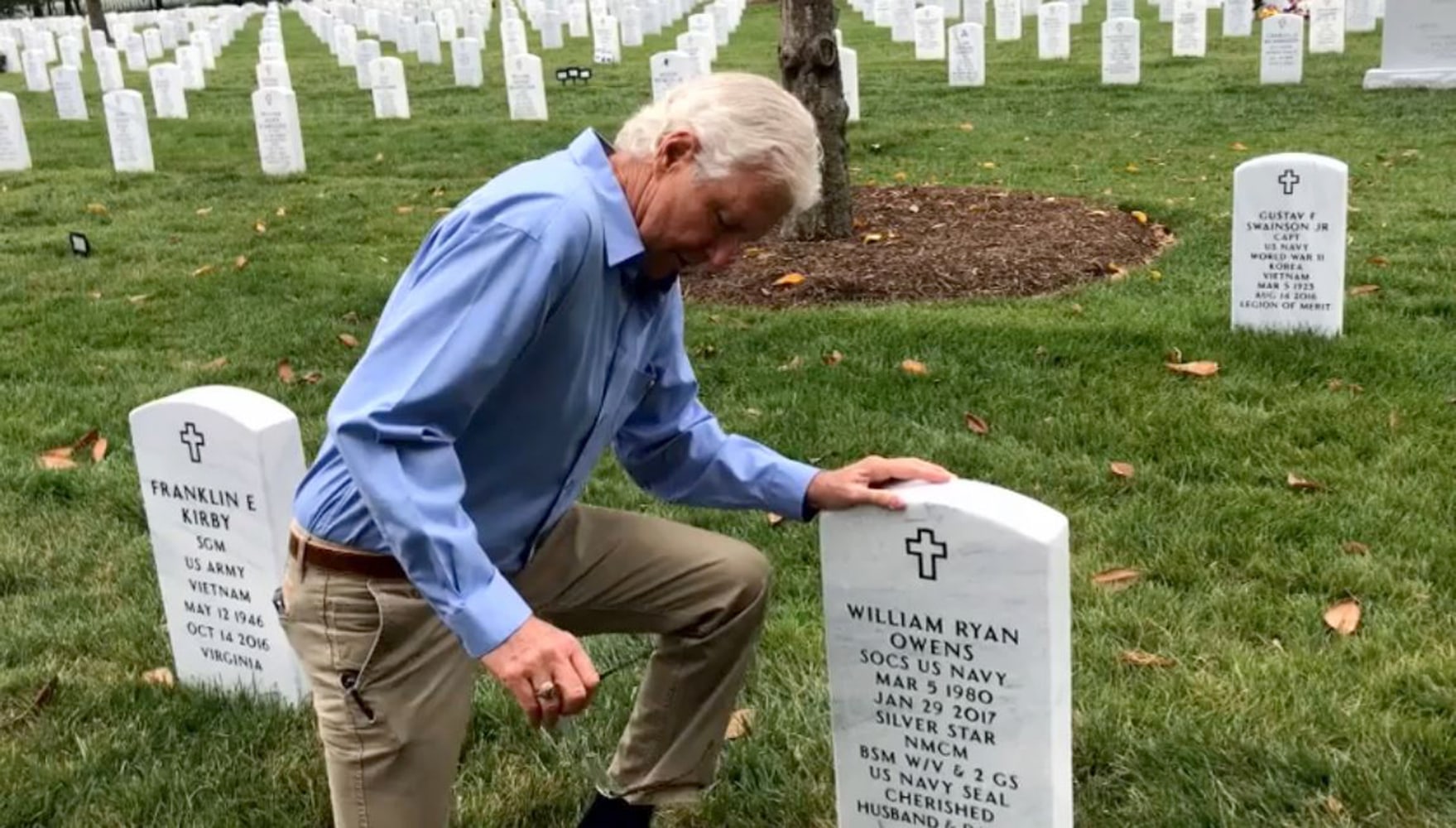
Bill Owens kneels at the gravestone of his son, Ryan Owens, in Arlington National Cemetery in Virginia. NBC News
"I believe that there's been sort of an over-use of Special Forces in the past decade," Taylor said.
Two of the most important questions that came
from NBC News' multi-month investigation are: Why was Ryan Owens'
mission launched nine days after President Trump took office, and what
did the mission achieve in terms of weakening al Qaeda?
Bill Owens merely wants straight answers.
The assurances he's gotten from Washington —
that the SEALs gathered intelligence that will save American lives in
the future — don't put his mind at peace.
"That's not credible," he said. "Let's look at it for what it was. Tell the truth."






No comments:
Post a Comment