
As global warming increases and increases in the oceans and air and the land gets colder from too much cloud cover the fluke of an ice age emerges more and more as a real possibility. Imagine right now for example, if 10 to 20 inches of rain came down from Canada all the way down to Texas and Georgia while confronting this Polar vortex drop. How would the country cope with 10 to 20 feet of snow? And what if the cloud cover didn't allow it to melt?
This is the fluke that is growing more likely every year during a polar vortex drop that could lead to an actual ice age from the Sierras and Cascades all the way across the country to the Atlantic.
When you have enough snow on the ground it creates it's own weather the cold snow refrigerates the air so instead of rain falling snow falls, then as snow hits snow already on the ground it doesn't melt and the depth of the snow grows and grows as a direct result.
So, this is the fluke that could become a reality in this century or the next here in the U.S. if the right conditions collide at the exactly right moment.
The first arctic blast of the season has hit — blanketing parts of the Rockies and …
Season's First Arctic Blast Brings Subzero Temperatures to Plains

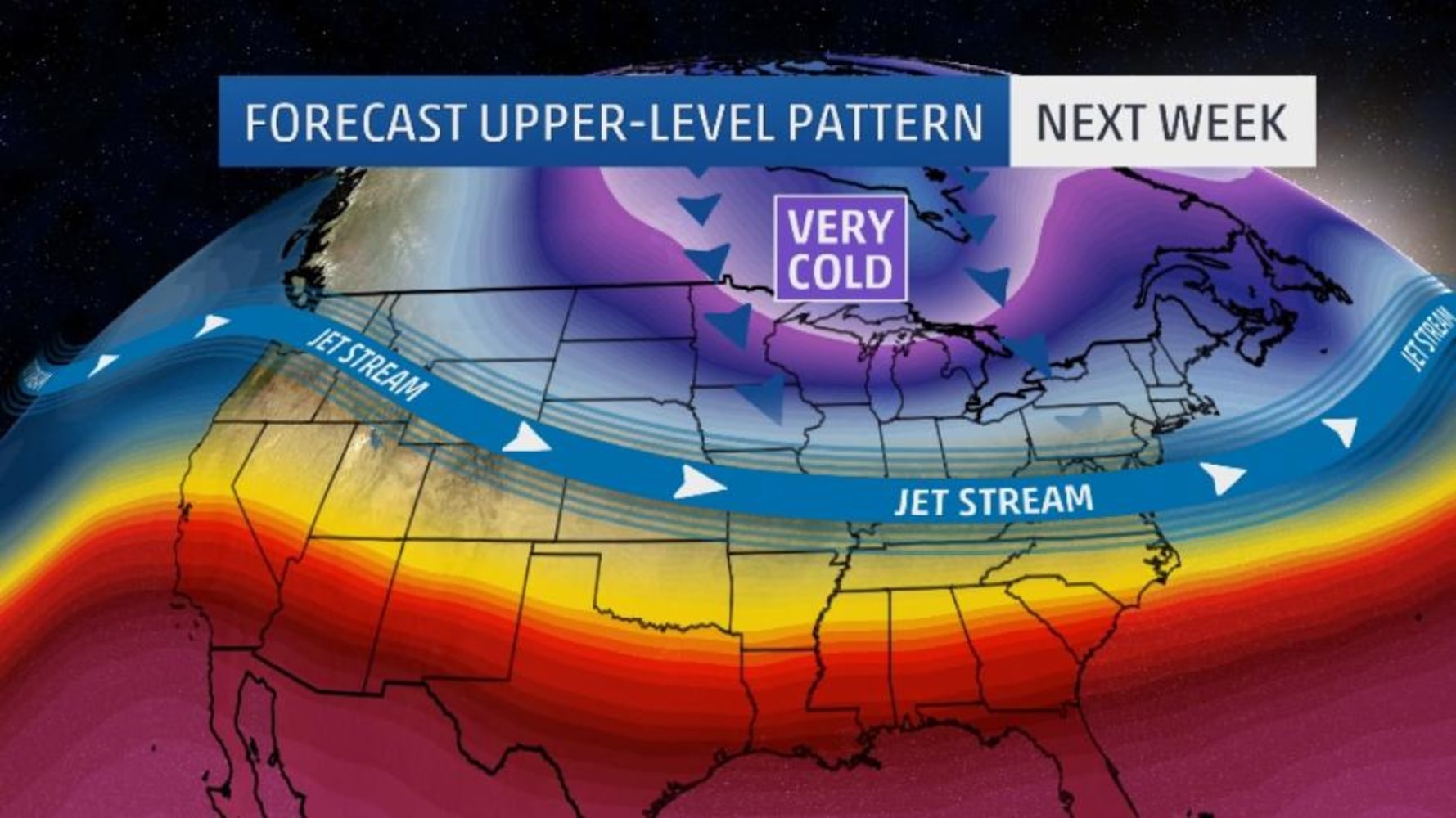
But meteorologists are warning about a second, perhaps even colder chill that could spread into the East Coast and possibly portions of the South late next week. A shift in a weather system known as the Polar Vortex may be partially to blame, according to The Weather Channel.
For now, parts of Montana, Wyoming, Colorado and the Dakotas were bearing the worst of it, with temperatures as low as minus-14 overnight Wednesday. Heavy snow was also falling around the Great Lakes region, and parts of Michigan, Indiana, Pennsylvania and New York could see up to 2 feet of snow.
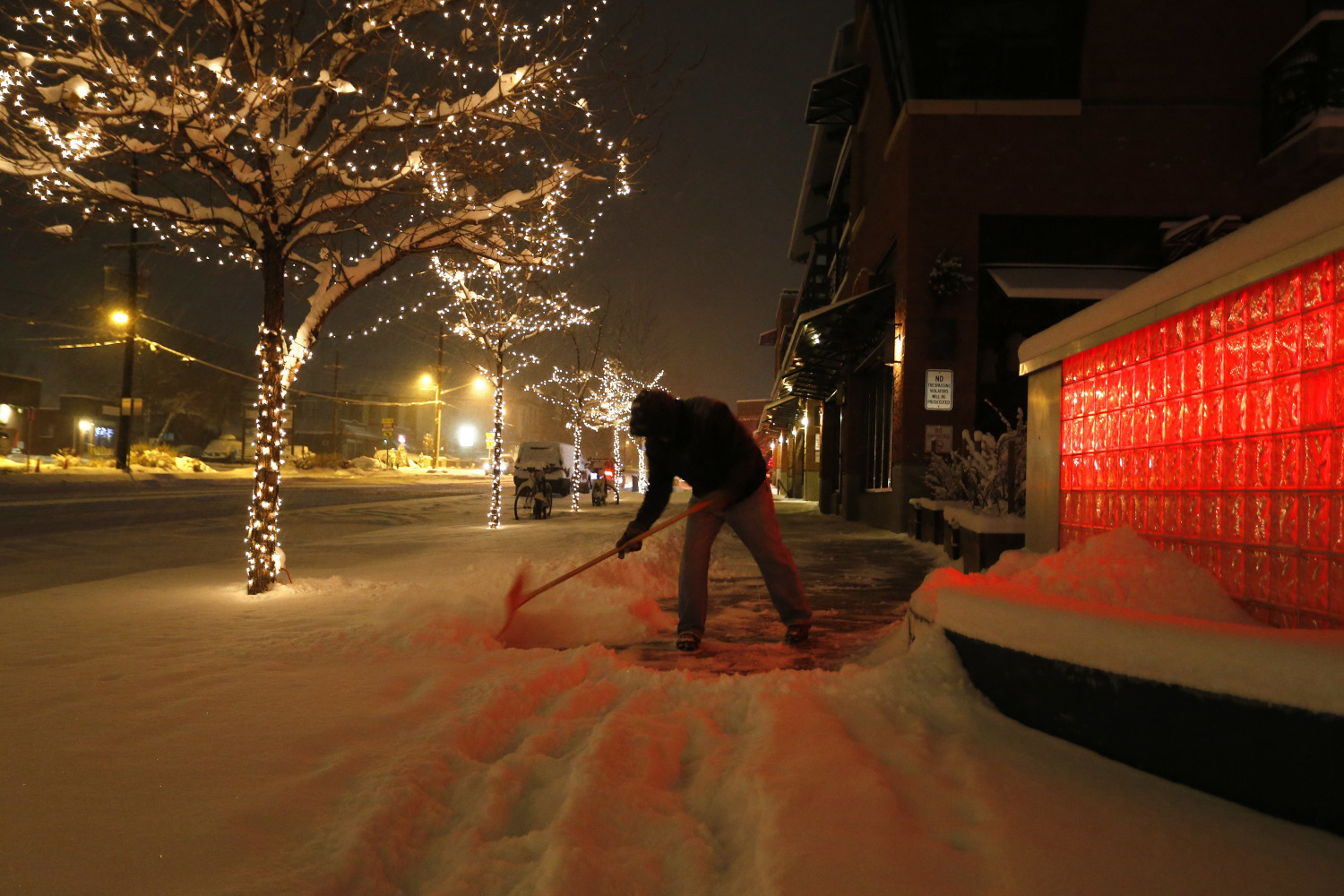
New York, Washington, D.C., and Boston were also expected to flirt with freezing temperatures late Friday.
"It's going to be a shock," said Kevin Roth, senior meteorologist at The Weather Channel. "The fall was closest to the warmest on record so this is really back to reality."
Although much less certain, a second wallop could be on its way late next week. After a brief reprieve following the weekend, temperatures could plunge into the minus next Friday in Midwestern cities such as Chicago and Minneapolis, into the teens across the North East and possibly back into the 20s in the South.
According to Roth, temperatures are expected to drop because of a shift in a stratospheric weather system known as the Polar Vortex.



No comments:
Post a Comment