Polar bears trap scientists in remote Arctic


This is not one of the polar bears currently trapping Russian scientists
Story highlights
- Five Russian meteorologists are trapped on tiny Troynoy island
- One female polar bear is spending evenings under station's window
(CNN)Surrounded in the Arctic tundra. By polar bears.
That's life for five Russian meteorologists on tiny Troynoy island in Russia, according to state media.
Troynoy Island
1000 km
500 mi
Vassiliy Shevchenko, the head of the Sevgidromet State Monitoring Network that owns the weather station, told Tass news that some 10 polar bears and their cubs have gathered on the island and are dangerously close to the researchers.
The
incident began on August 31, when some polar bears killed two dogs,
according to Vadim Plotnikov, the head of the weather station.
Photos:
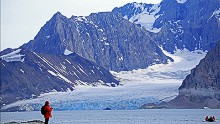
Oil prospects? – Recent
years have seen the Arctic become a target for oil exploration. Last
year oil giant Shell abandoned as uneconomic an exploratory drilling
program in Alaska, but a resumption isn't ruled out.
Hide Caption
9 of 17
Photos:
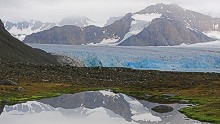
Whale worries –
"Agreeing to Arctic drilling is a bad decision and a mistake," says
Susan Adie, wildlife activist and G Adventures operations manager.
Sub-sea oil exploration could, she says, present a threat to the rare
beluga, blue and bowhead whales that use these waters.
Hide Caption
10 of 17
Photos:
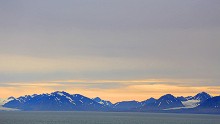
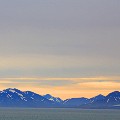
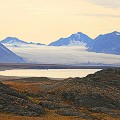
Midnight sun – The
midnight sun casts a golden glow, hovering just above the horizon as it
struggles to climb the earth's curvature at this latitude.
Hide Caption
11 of 17
Photos:
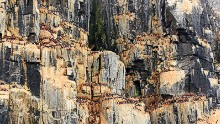
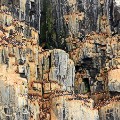
Guillemots – Another Arctic denizen, the guillemot, clings to limestone rocks that resemble landscapes from "Jurassic Park."
Hide Caption
12 of 17
Photos:
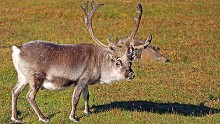
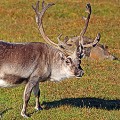
Reindeer – The High Arctic landscape also hosts reindeer, Arctic foxes and kittiwakes.
Hide Caption
13 of 17
Photos:
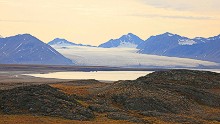
Education – Trips
ashore from the MS Expedition are punctuated by lectures from chief
field researchers. They're driven by the concept that welcoming and
educating visitors to the region will help to preserve its future.
Hide Caption
14 of 17
Photos:
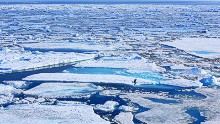
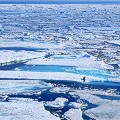
Record melt levels – In
2015, Arctic ice cover fell to the fourth lowest extent in the
satellite record, with temperatures hitting the second highest recorded,
according to the National Snow and Ice Data Center.
Hide Caption
15 of 17
Photos:
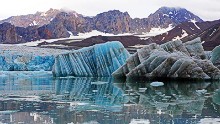
'Low years' – "Ten
years ago this would have been an astonishing summer of ice melt," says
Ted Scambos, NSIDC's lead scientist. "Now it is just another season in a
decade of low years."
Hide Caption
16 of 17
Photos:
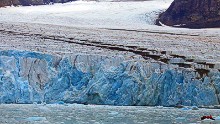
Ecosystem – "The
almost complete melt-away of the multi-year ice in recent summers has
really knocked the core productivity of the whole ecosystem," says Jamie
Watts, ship leader and marine life enthusiast.
Hide Caption
17 of 17
Photos:
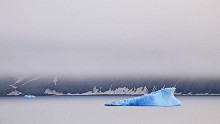
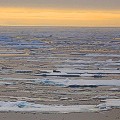
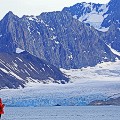
The High Arctic – The
High Arctic is an ice-bound desert that supports a fragile ecosystem.
Environmentalists warn it's under threat from global warming as summer
ice melts reach record levels.
Hide Caption
1 of 17
Photos:
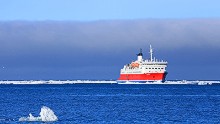
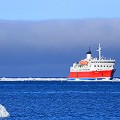
MS Expedition – The
MS Expedition was originally built as a car ferry, but now traverses
Arctic and Antarctic waters as a cruise ship operated by Canada-based G
Adventures, which offers environmentally sensitive trips.
Hide Caption
2 of 17
Photos:
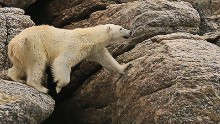
Polar bears – Polar bears are guided by their superior sense of smell which can detect prey more than a kilometer away.
Hide Caption
3 of 17
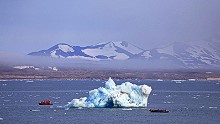
Photos:
Raft expeditions – Raft
expeditions allow passengers to get closer to the ice and the animals
it supports. Trips to spot polar bears are accompanied by marksmen since
the bears are known to hunt humans.
Hide Caption
4 of 17
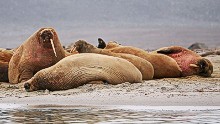
Photos:
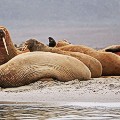
Walruses – Pungent
and blubbery, walruses live year-round in the waters off Norway's
northernmost Arctic islands. Their tusks can grow up to a meter long.
Hide Caption
5 of 17
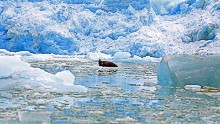
Photos:
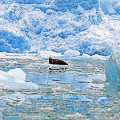
Harp seals – Harp
seals can be found around Norway's northernmost islands. On the ice,
they're hunted as food by polar bears, in the water they're prey for
whales. They're also hunted commercially by Norway, Canada and Russia.
Hide Caption
6 of 17
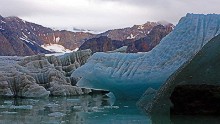
Photos:
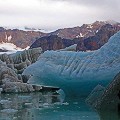
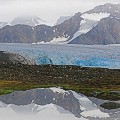
Multi-year ice – Multi-year
ice -- often formed over centuries -- is a rich source of nourishment
for the entire Arctic food web. Its recent decline spells trouble for
the region's fauna.
Hide Caption
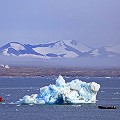
7 of 17
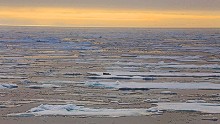
Photos:
Deeper Arctic – In 2015, the multi-year ice has receded far north, allowing us to press deeper into the Arctic than expected.
Hide Caption
8 of 17
Photos:
Oil prospects? – Recent
years have seen the Arctic become a target for oil exploration. Last
year oil giant Shell abandoned as uneconomic an exploratory drilling
program in Alaska, but a resumption isn't ruled out.
Hide Caption
9 of 17
Photos:
Whale worries –
"Agreeing to Arctic drilling is a bad decision and a mistake," says
Susan Adie, wildlife activist and G Adventures operations manager.
Sub-sea oil exploration could, she says, present a threat to the rare
beluga, blue and bowhead whales that use these waters.
Hide Caption
10 of 17
Photos:
Midnight sun – The
midnight sun casts a golden glow, hovering just above the horizon as it
struggles to climb the earth's curvature at this latitude.
Hide Caption
11 of 17
Photos:
Guillemots – Another Arctic denizen, the guillemot, clings to limestone rocks that resemble landscapes from "Jurassic Park."
Hide Caption
12 of 17
Photos:
Reindeer – The High Arctic landscape also hosts reindeer, Arctic foxes and kittiwakes.
Hide Caption
13 of 17
Photos:
Education – Trips
ashore from the MS Expedition are punctuated by lectures from chief
field researchers. They're driven by the concept that welcoming and
educating visitors to the region will help to preserve its future.
Hide Caption
14 of 17
Photos:
Record melt levels – In
2015, Arctic ice cover fell to the fourth lowest extent in the
satellite record, with temperatures hitting the second highest recorded,
according to the National Snow and Ice Data Center.
Hide Caption
15 of 17
Photos:
'Low years' – "Ten
years ago this would have been an astonishing summer of ice melt," says
Ted Scambos, NSIDC's lead scientist. "Now it is just another season in a
decade of low years."
Hide Caption
16 of 17
Photos:
Ecosystem – "The
almost complete melt-away of the multi-year ice in recent summers has
really knocked the core productivity of the whole ecosystem," says Jamie
Watts, ship leader and marine life enthusiast.
Hide Caption
17 of 17
Photos:
The High Arctic – The
High Arctic is an ice-bound desert that supports a fragile ecosystem.
Environmentalists warn it's under threat from global warming as summer
ice melts reach record levels.
Hide Caption
1 of 17
Photos:
MS Expedition – The
MS Expedition was originally built as a car ferry, but now traverses
Arctic and Antarctic waters as a cruise ship operated by Canada-based G
Adventures, which offers environmentally sensitive trips.
Hide Caption
2 of 17
Photos:
Polar bears – Polar bears are guided by their superior sense of smell which can detect prey more than a kilometer away.
Hide Caption
3 of 17
Photos:
Raft expeditions – Raft
expeditions allow passengers to get closer to the ice and the animals
it supports. Trips to spot polar bears are accompanied by marksmen since
the bears are known to hunt humans.
Hide Caption
4 of 17
Photos:
Walruses – Pungent
and blubbery, walruses live year-round in the waters off Norway's
northernmost Arctic islands. Their tusks can grow up to a meter long.
Hide Caption
5 of 17
Photos:
Harp seals – Harp
seals can be found around Norway's northernmost islands. On the ice,
they're hunted as food by polar bears, in the water they're prey for
whales. They're also hunted commercially by Norway, Canada and Russia.
Hide Caption
6 of 17
Photos:
Multi-year ice – Multi-year
ice -- often formed over centuries -- is a rich source of nourishment
for the entire Arctic food web. Its recent decline spells trouble for
the region's fauna.
Hide Caption
7 of 17
Photos:
Deeper Arctic – In 2015, the multi-year ice has receded far north, allowing us to press deeper into the Arctic than expected.
Hide Caption
8 of 17
Photos:
Oil prospects? – Recent
years have seen the Arctic become a target for oil exploration. Last
year oil giant Shell abandoned as uneconomic an exploratory drilling
program in Alaska, but a resumption isn't ruled out.
Hide Caption
9 of 17
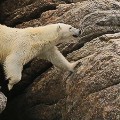
A female polar bear has been spending its evenings under the station's window, making it dangerous to go outside.
Tass
reports that Sergey Donskoy, Russia's minister of natural resources and
environment, instructed the country's federal weather-watching service
to ensure the security of the Troynoy island personnel.
Sevgidromet,
the state research agency, will send flares to scare the bears and
dogs. The flares are not expected to reach the station for another
month.


No comments:
Post a Comment